A COUNTRY CALLED DACIA
-
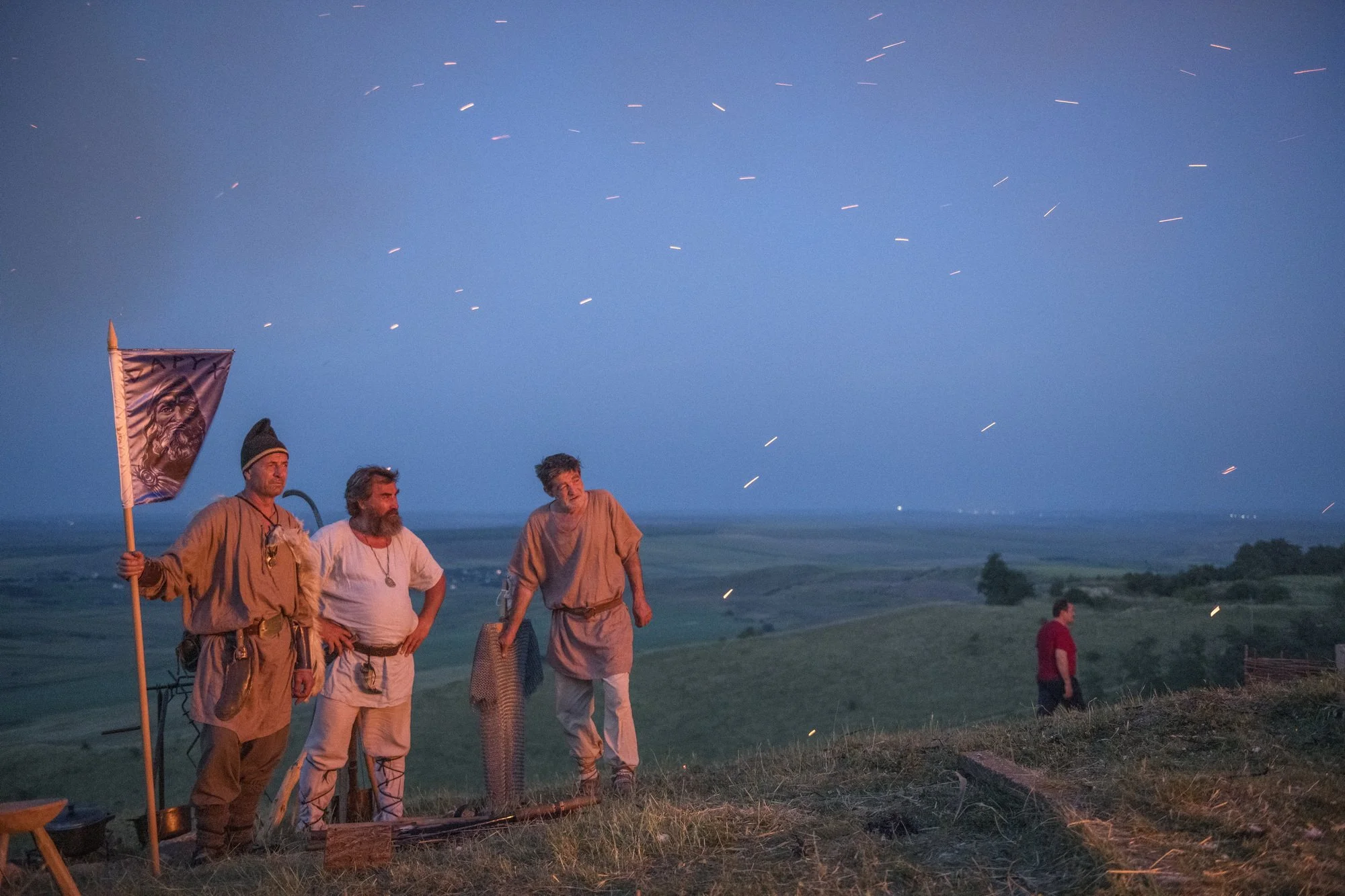
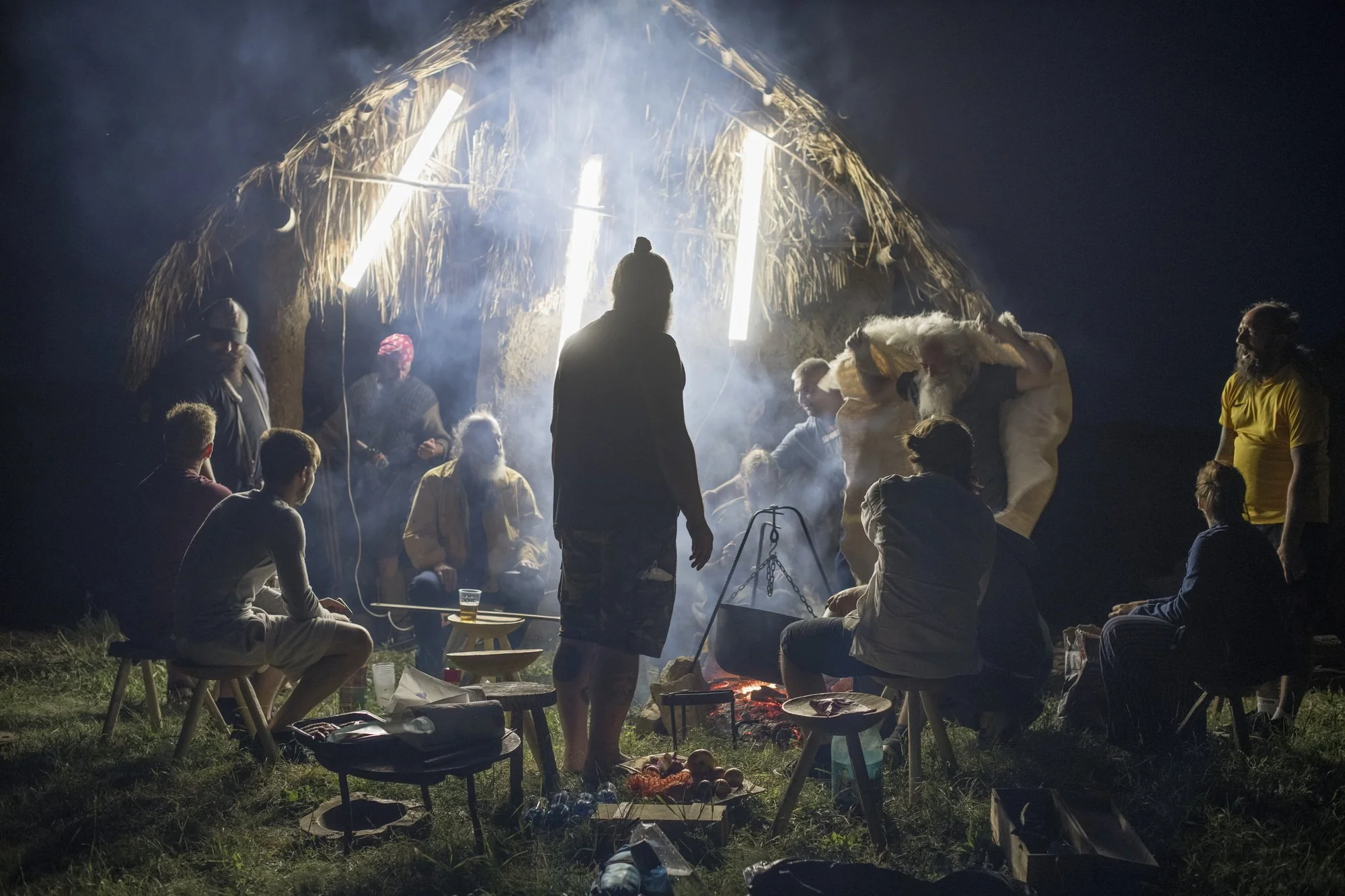
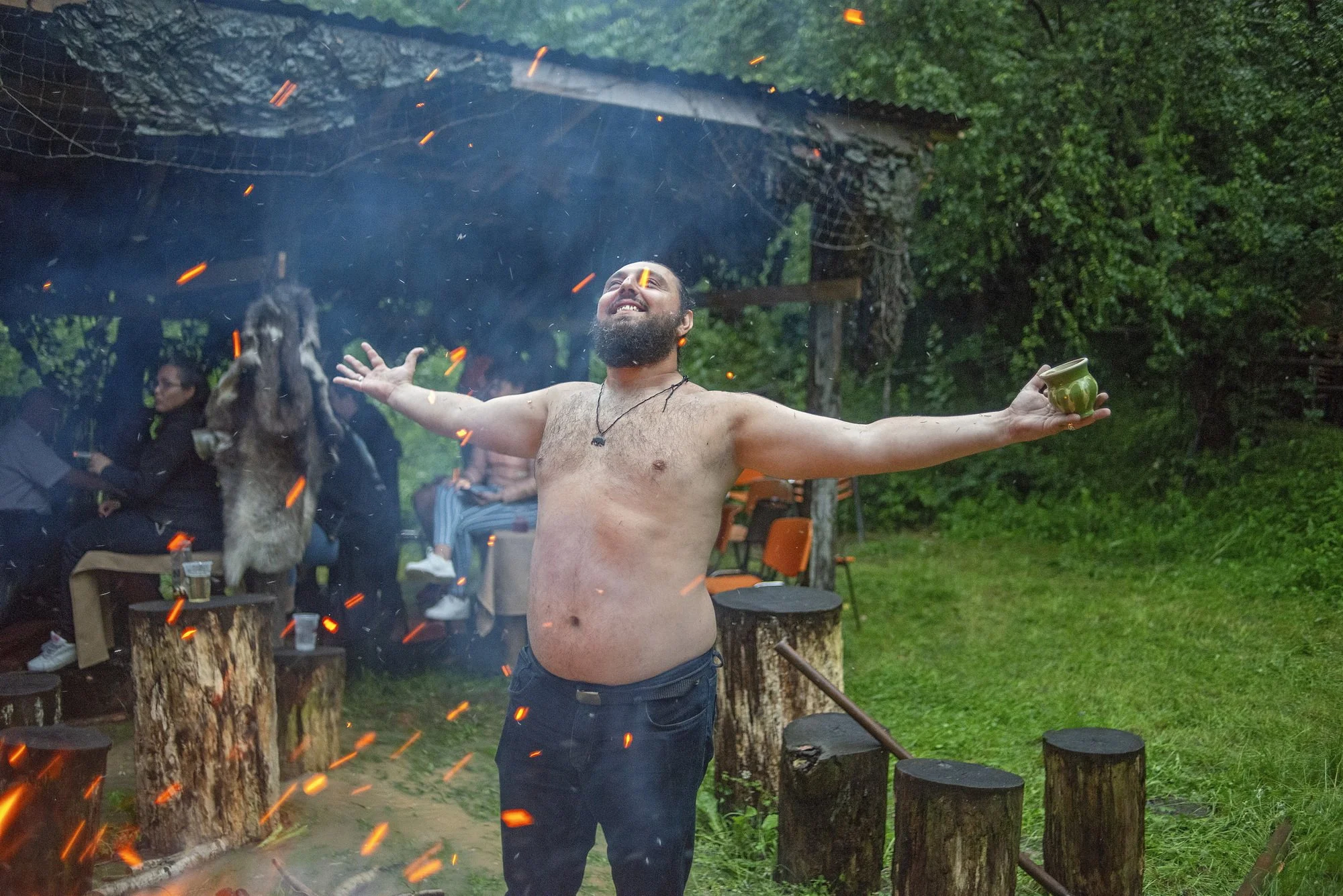
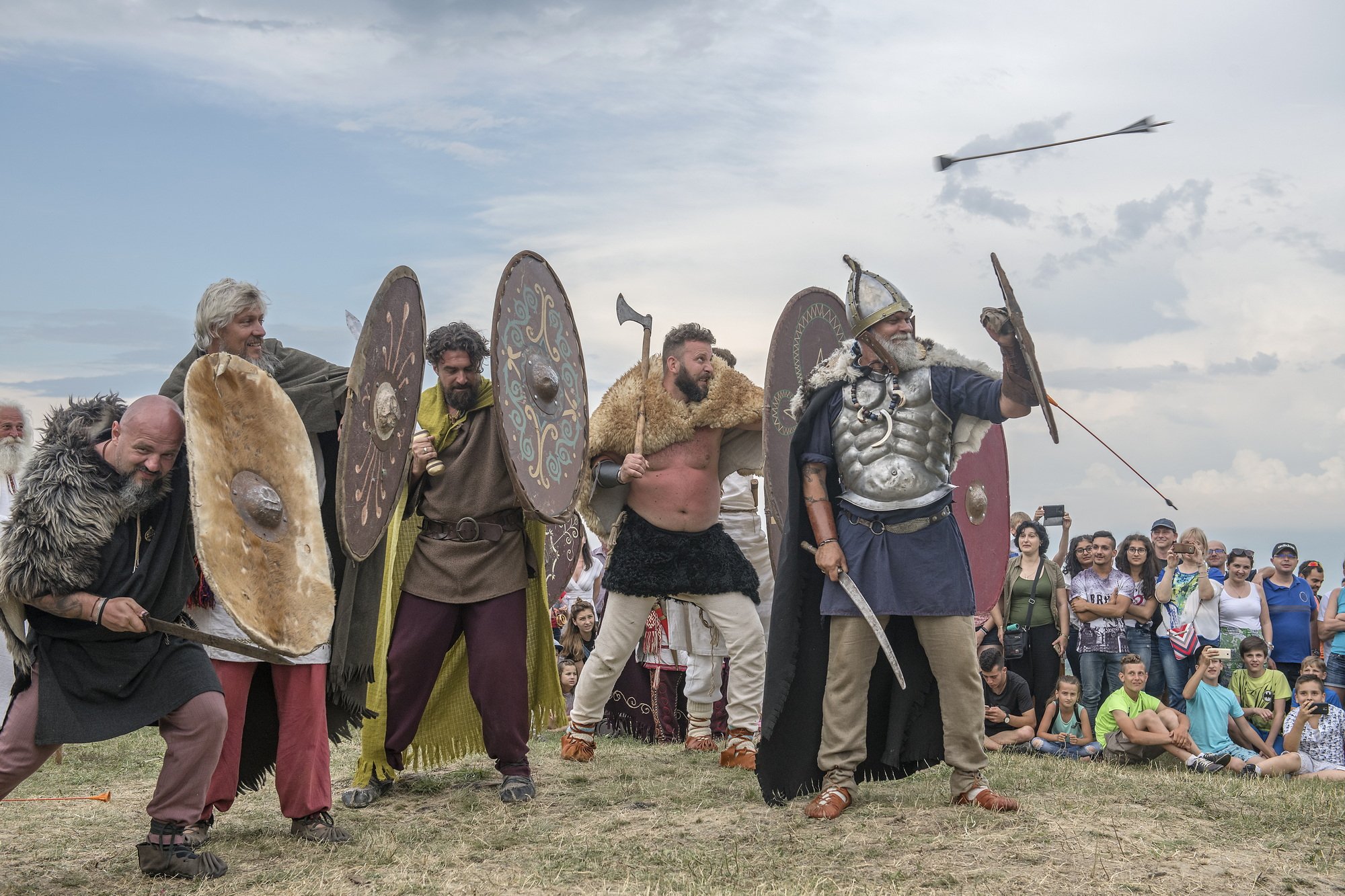
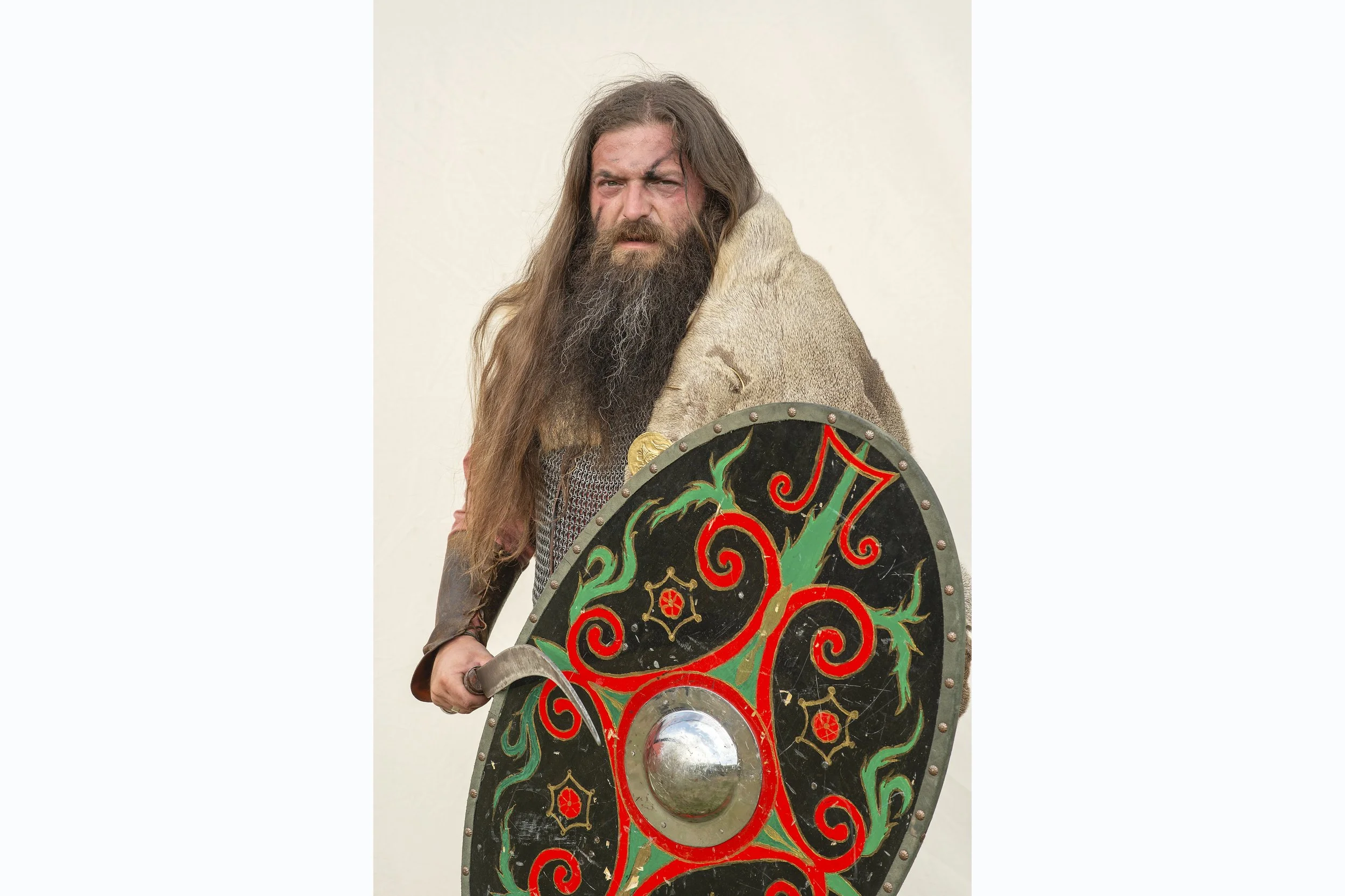
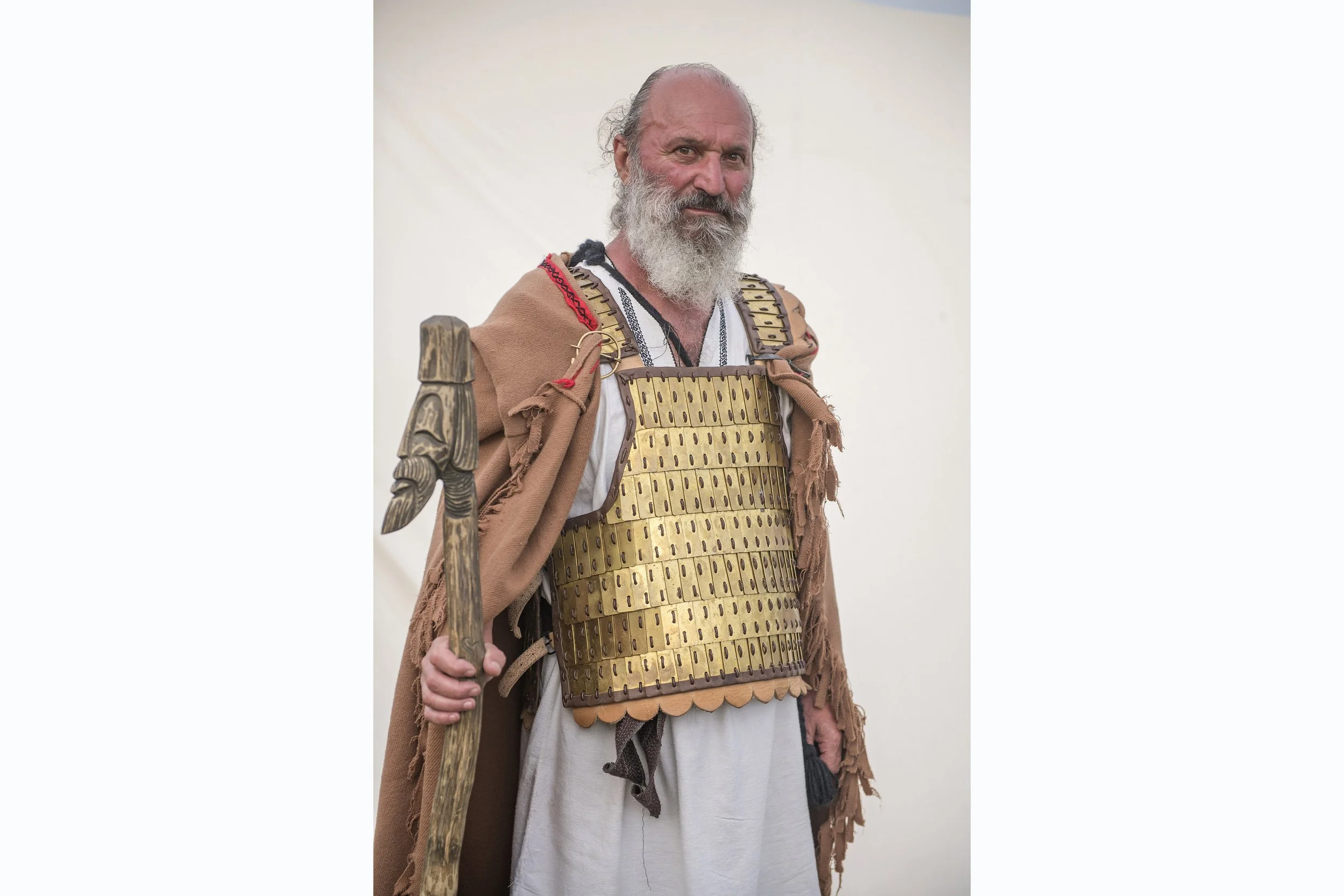
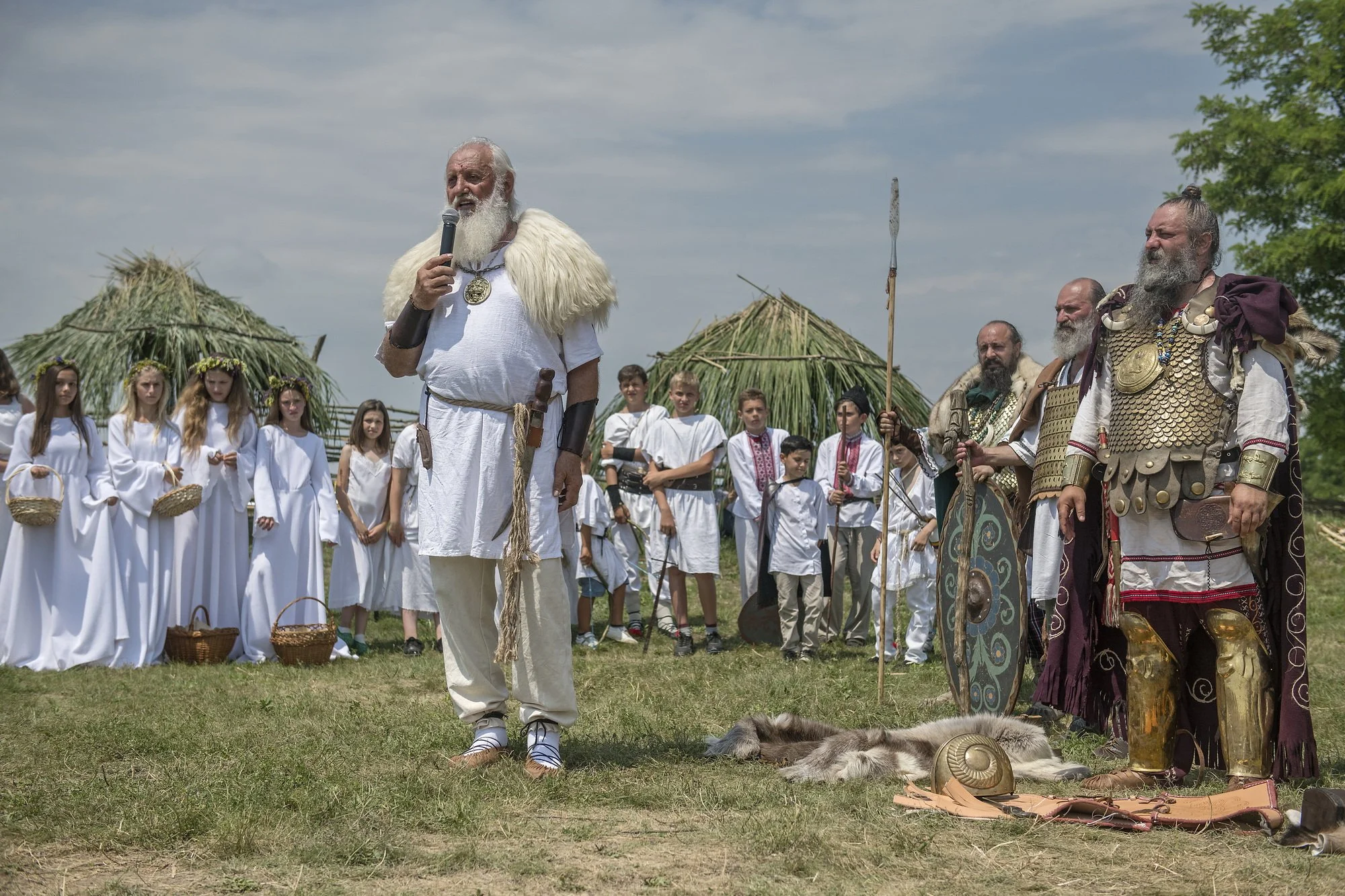
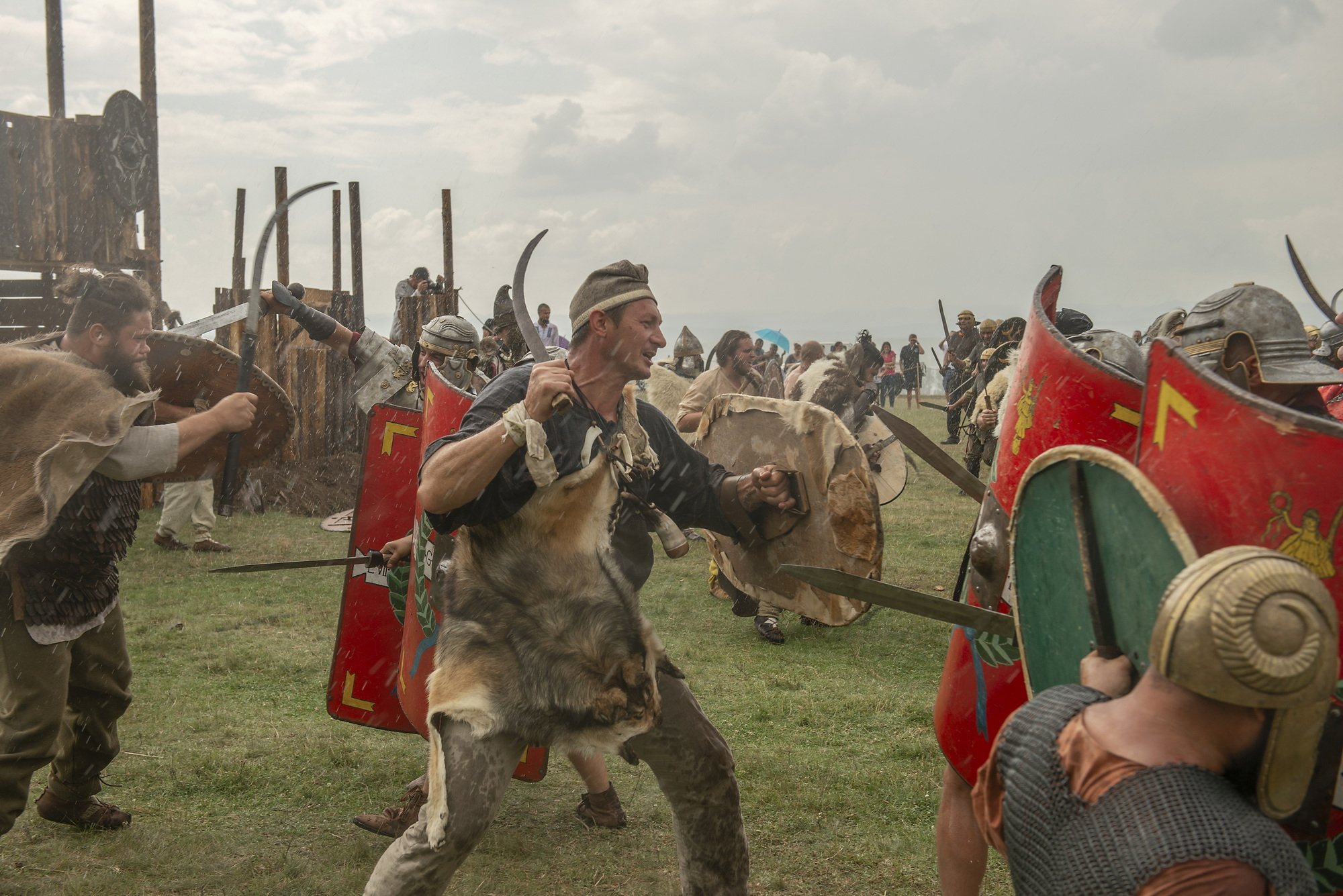
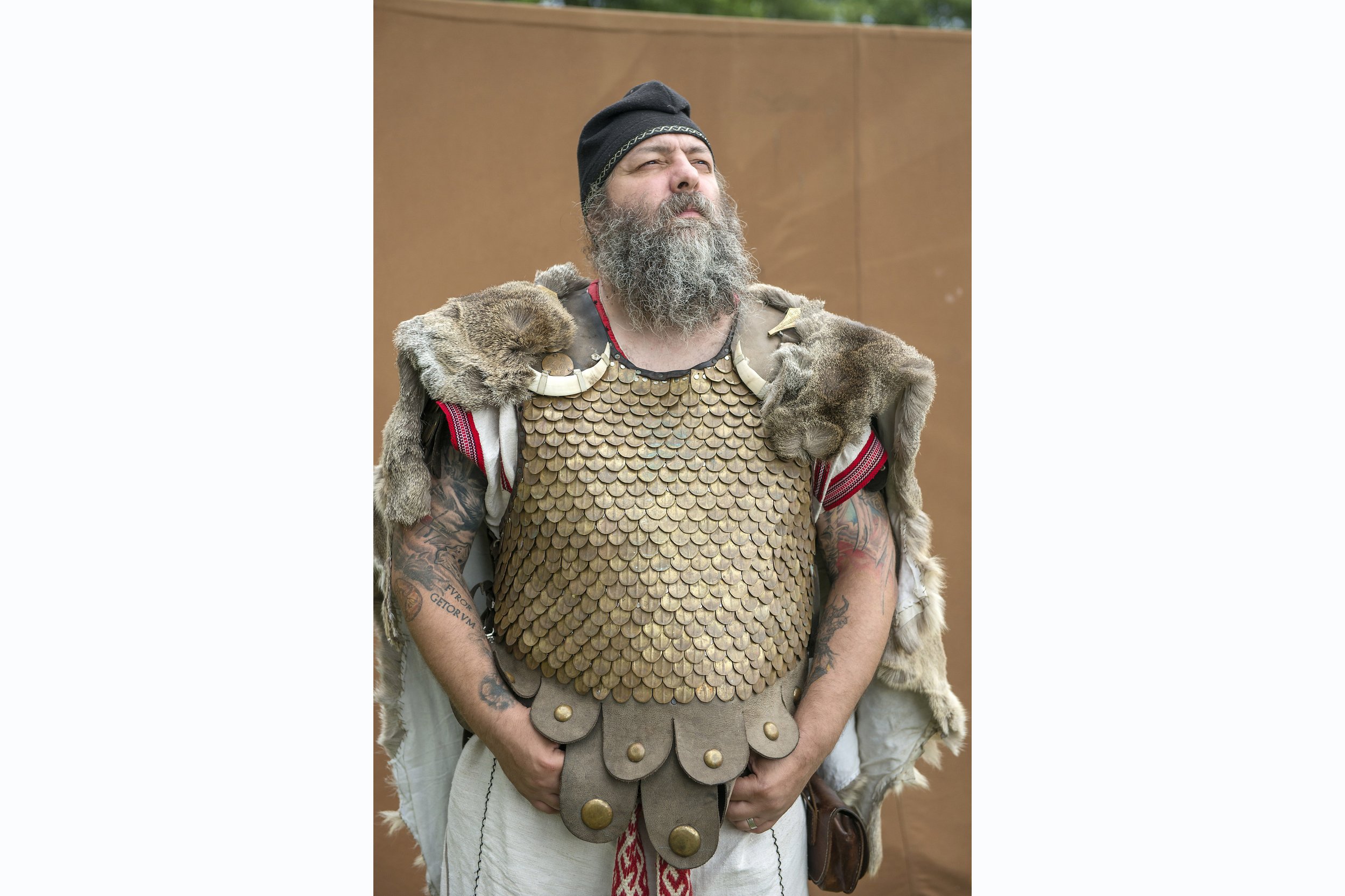
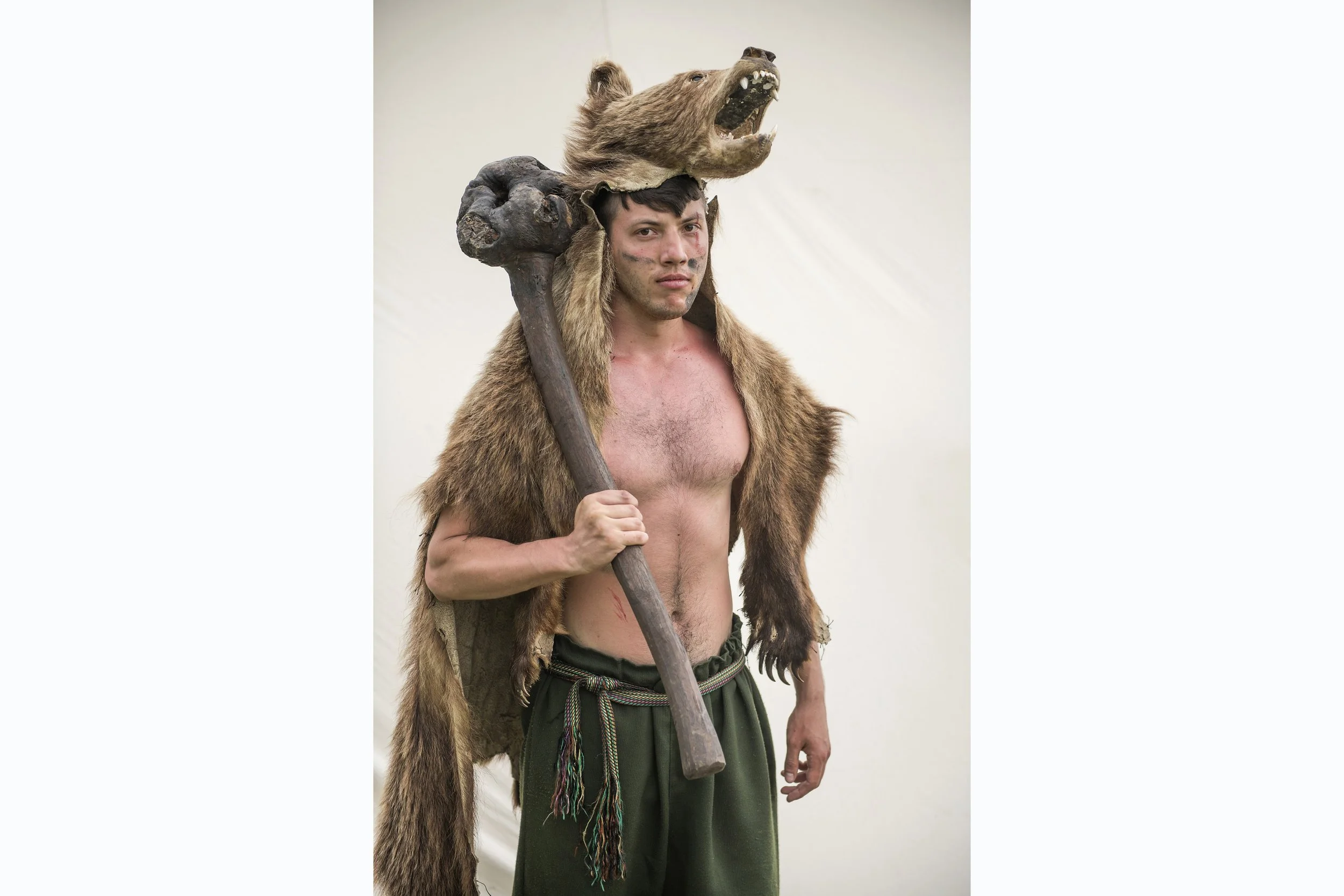
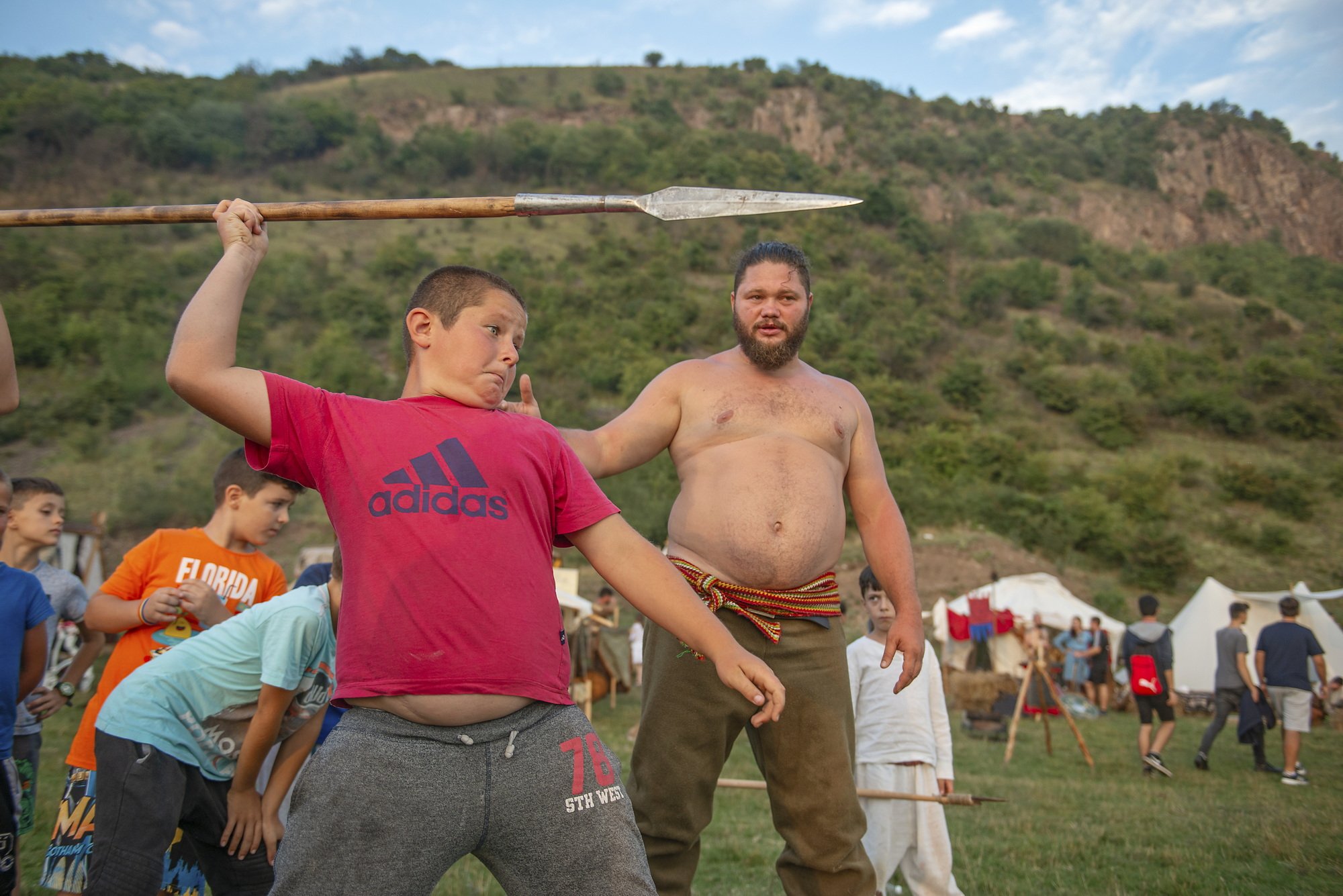
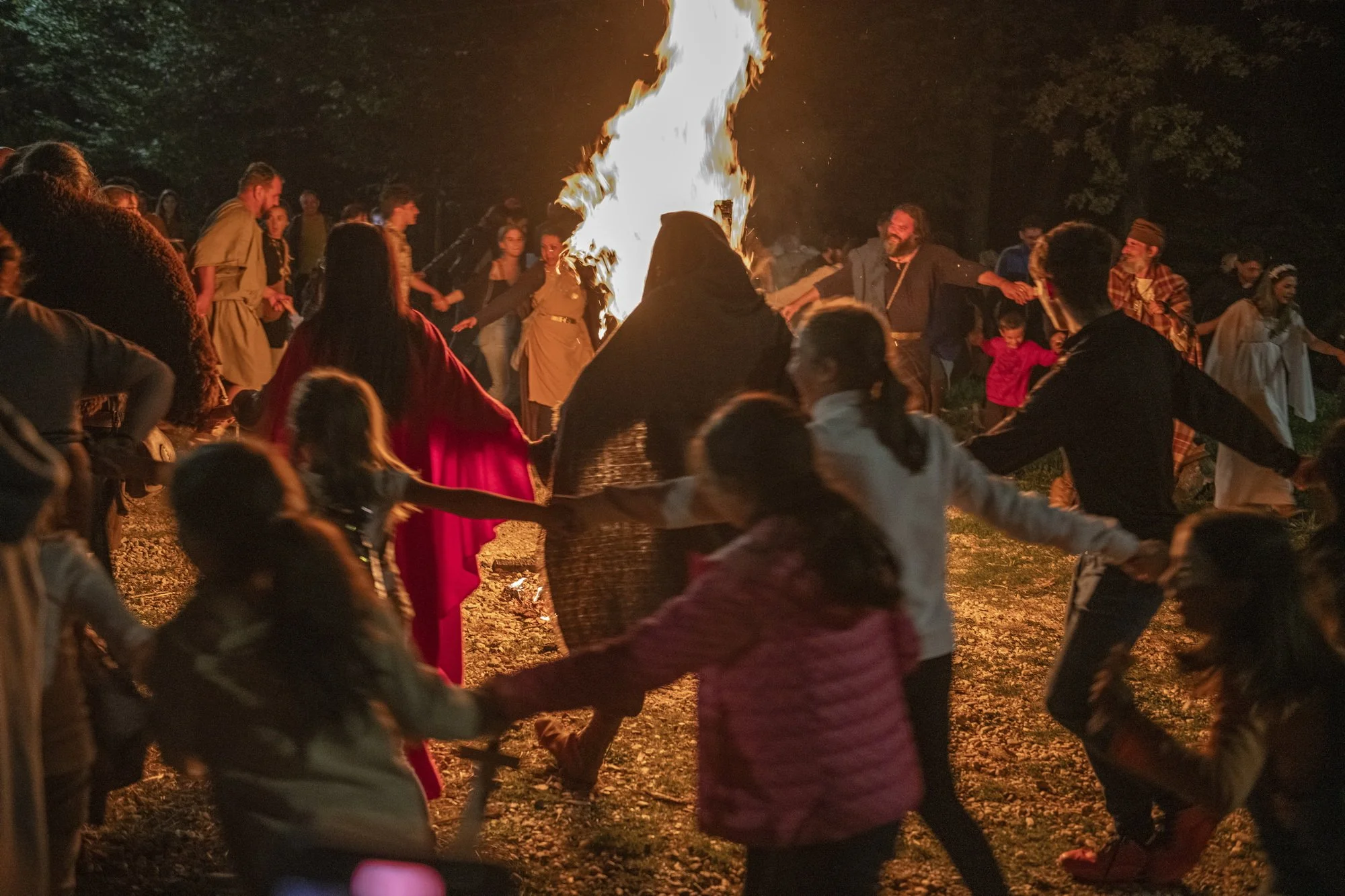
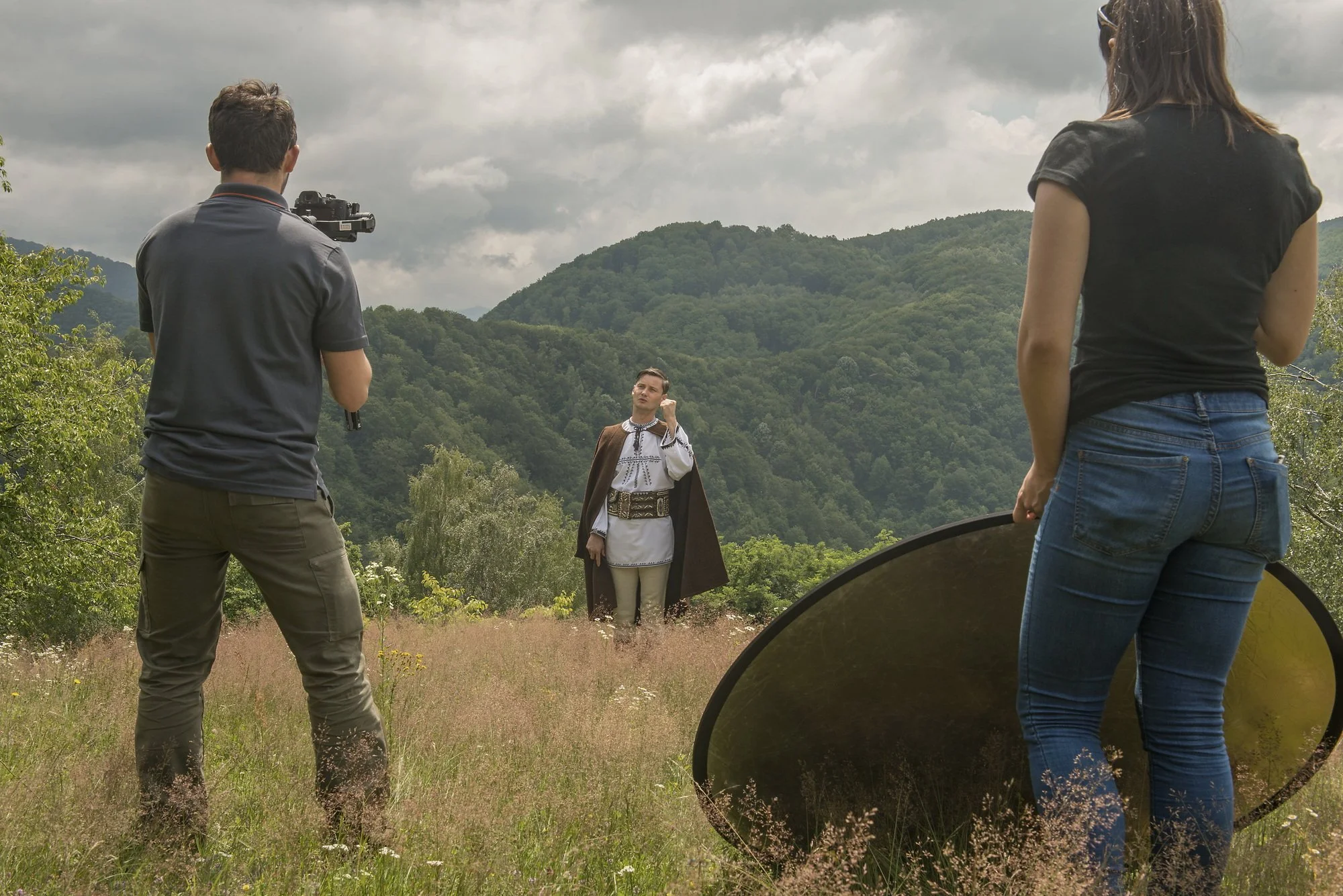
According to widely accepted historical accounts, the Romanian people emerged from the mixing of Roman colonists and local Dacian tribes roughly 2,000 years ago. A veil of mystery still hangs over Dacian history and culture. In the absence of a written language, very little evidence remains, and what knowledge we have comes mainly from Roman sources — accounts written from the perspective of the victors, not the defeated. The only visual representations — statues and bas-reliefs — are found in Rome and Adamclisi (RO). Weapons, battle formations, clothing, and hairstyles have all been studied in detail and, together with the few surviving artefacts, help us visually reconstruct that era. This is where reenactors come in: passionate individuals who bring history to life by recreating and interpreting stories of the past for a modern audience.
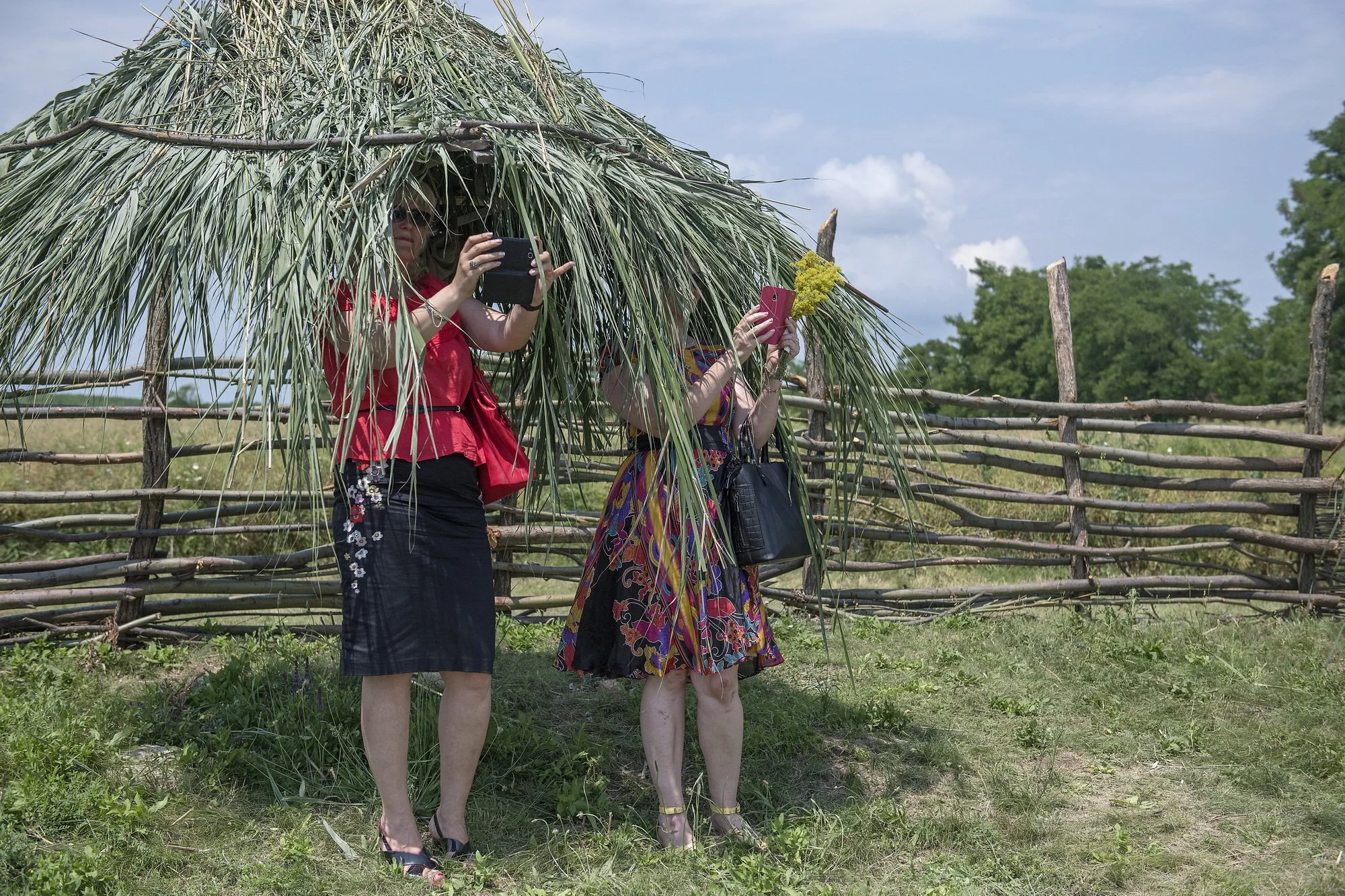
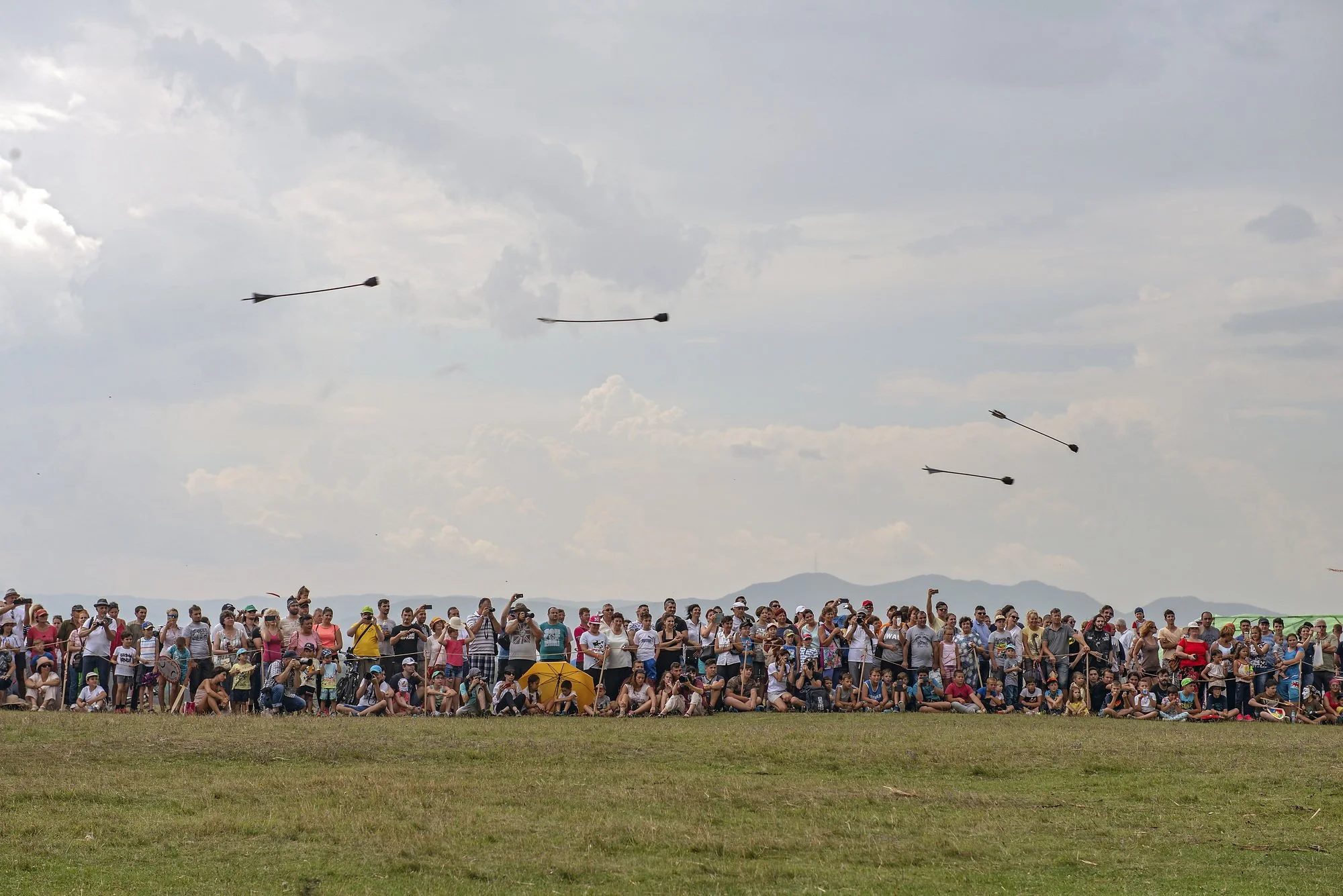
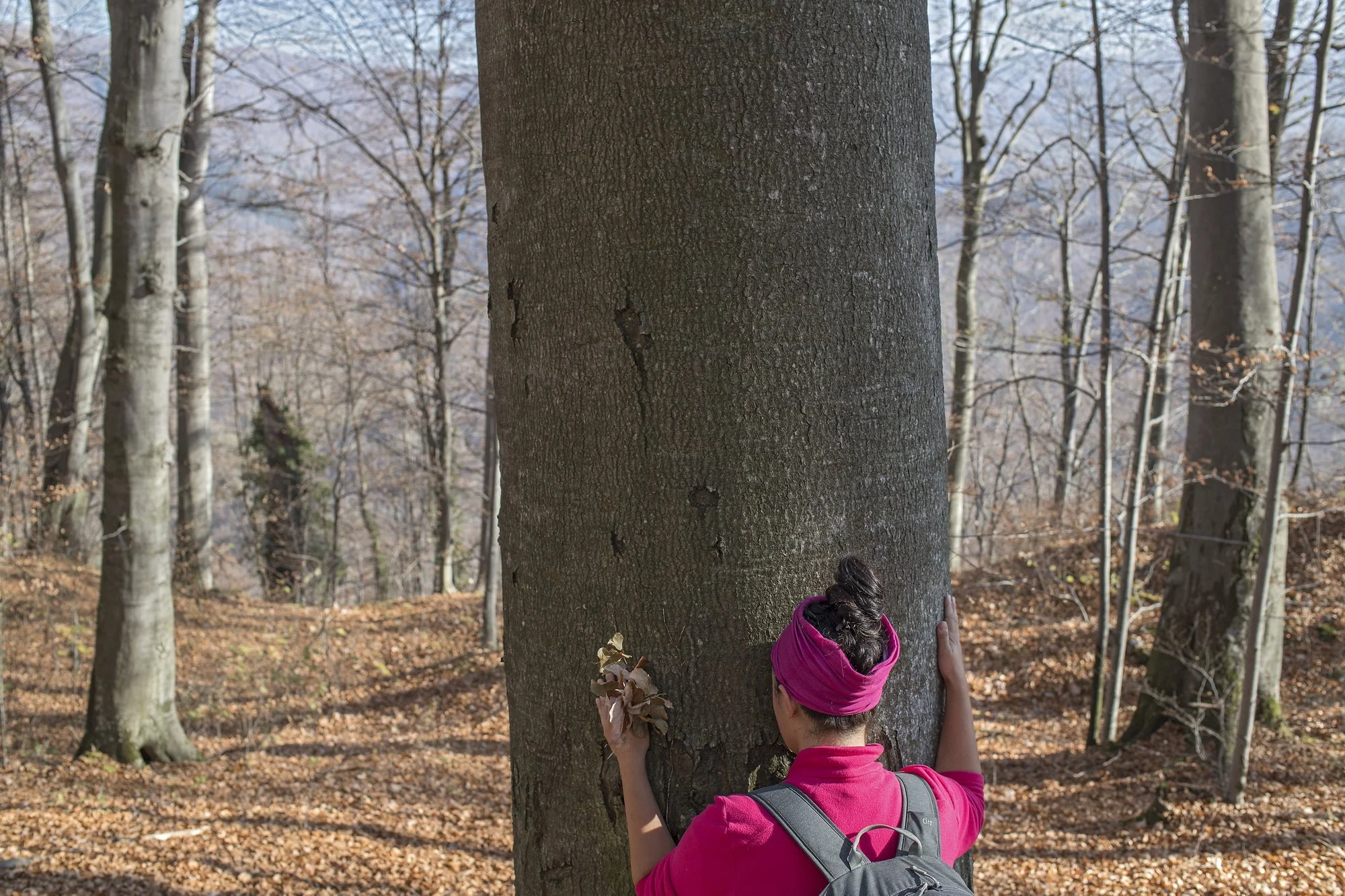
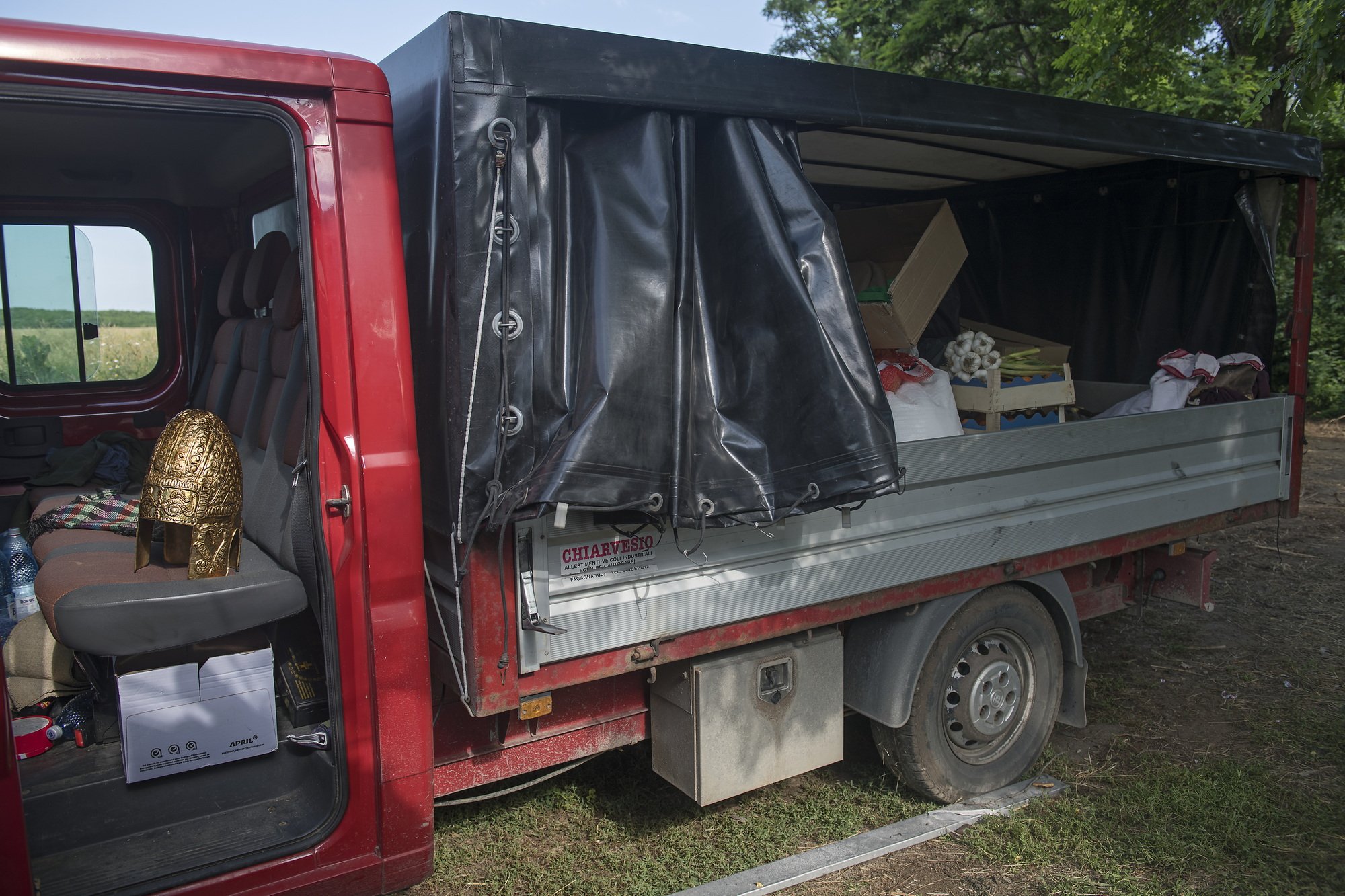
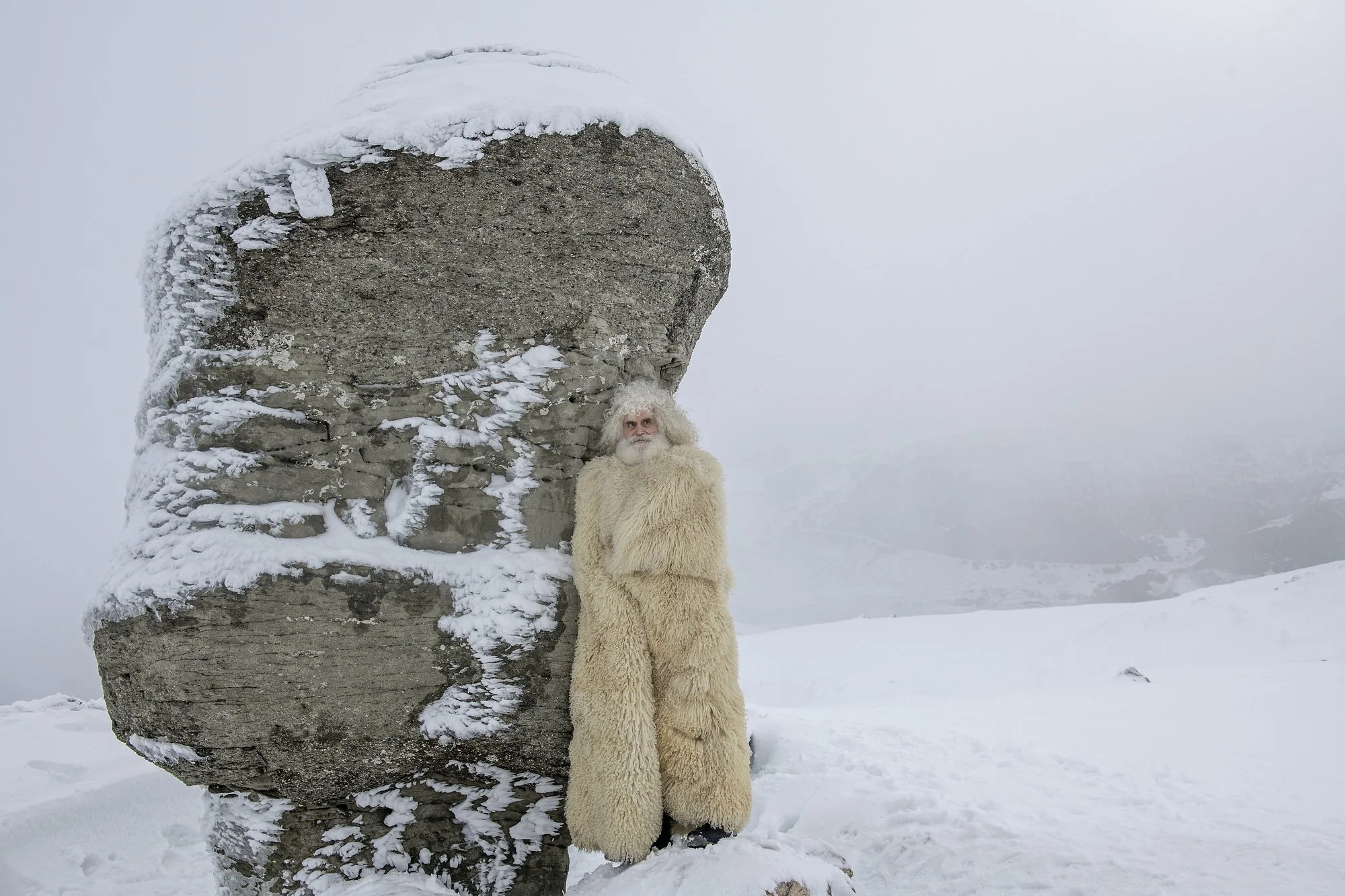
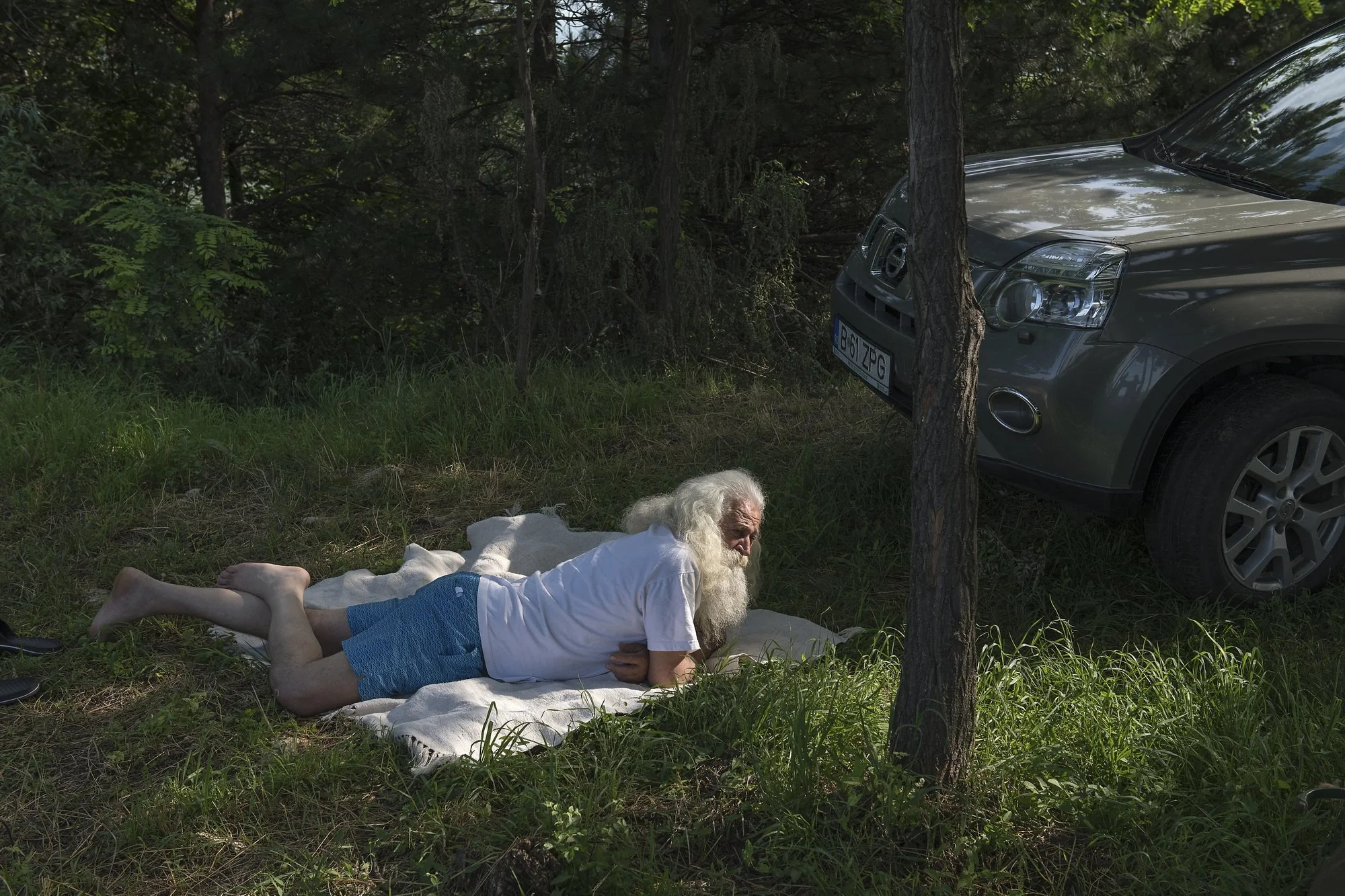
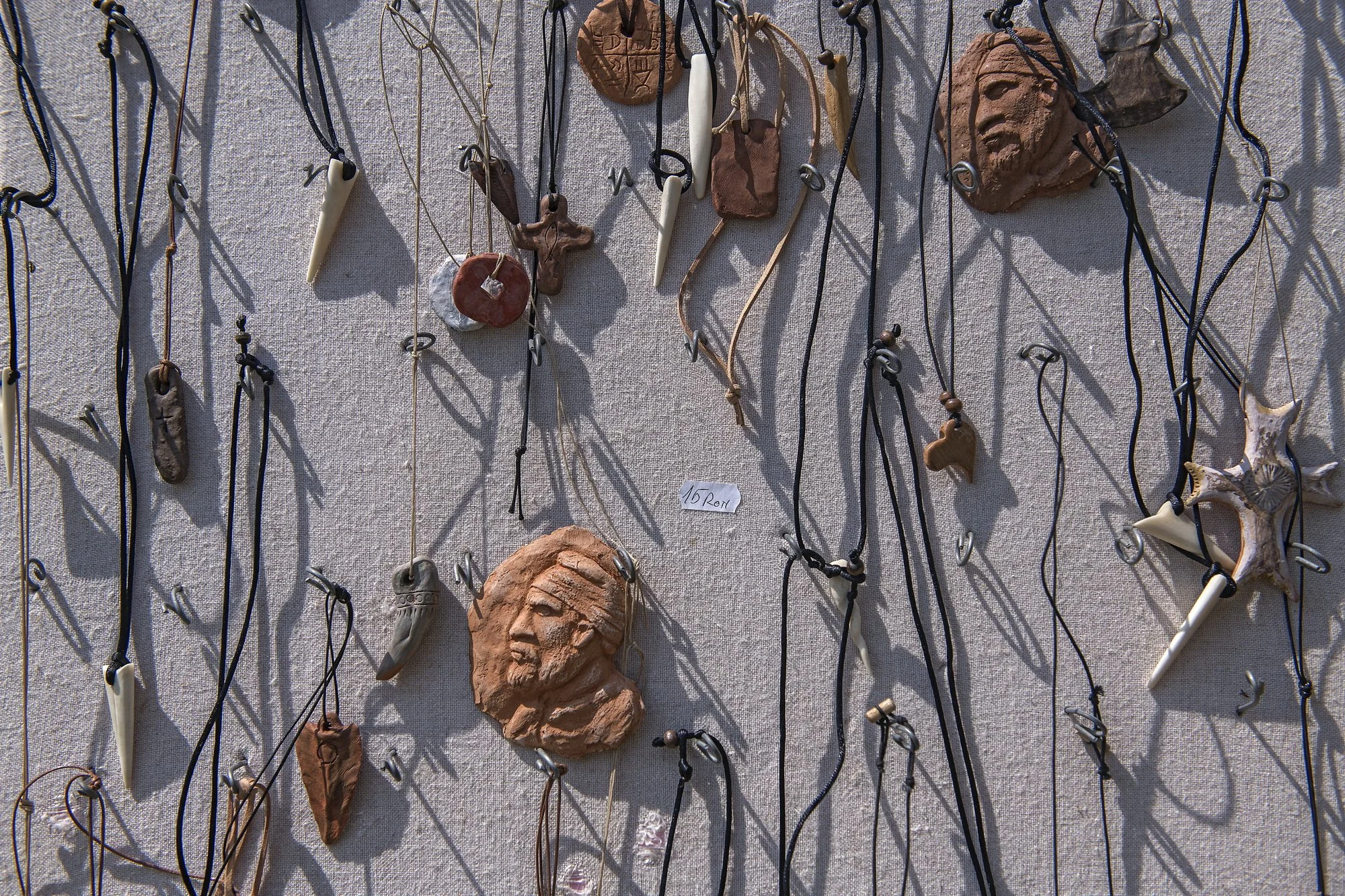
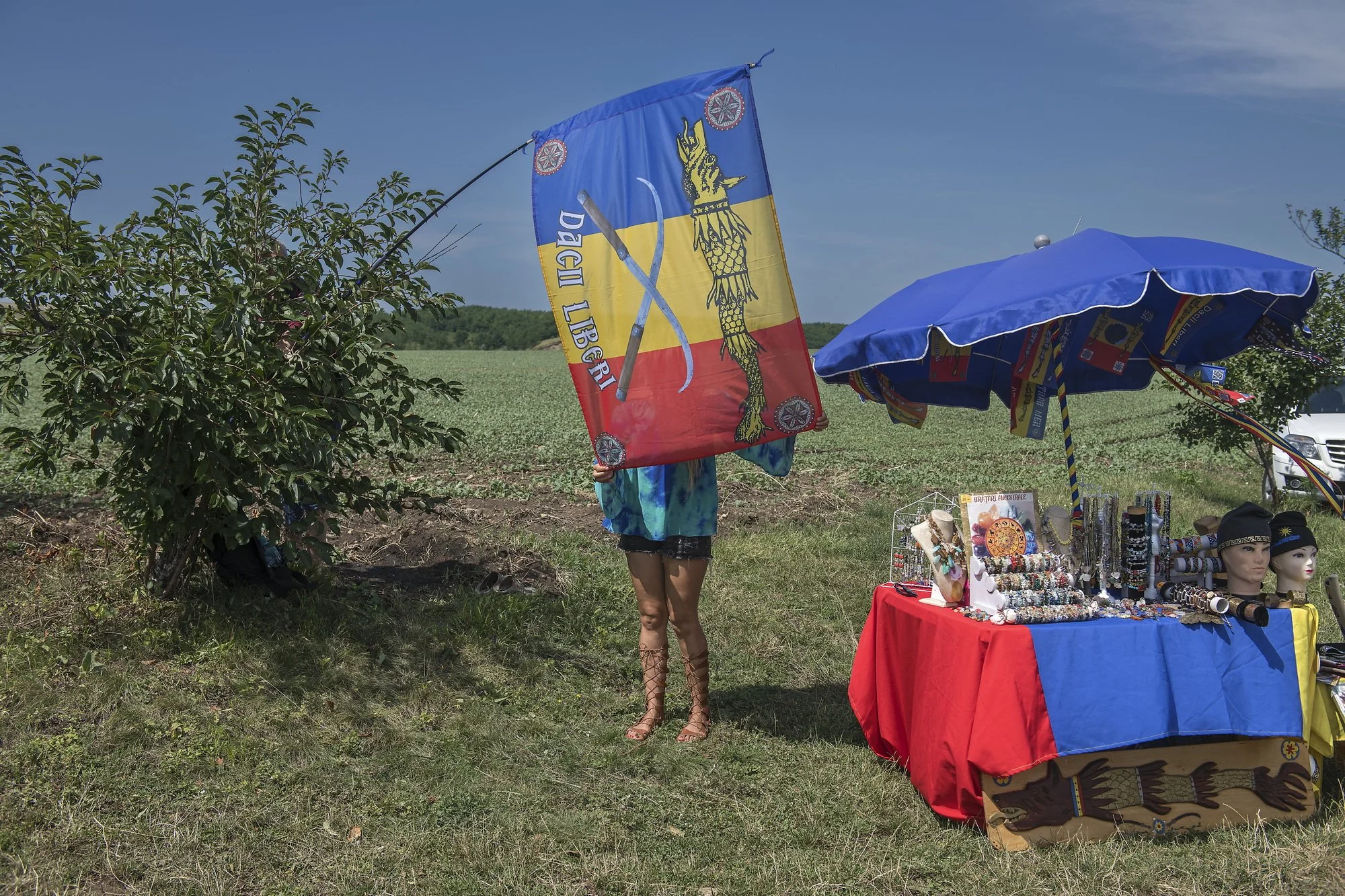
Today, we are once again witnessing a troubling phenomenon: the rise of nationalism across Europe. In Romania in particular, anti-Western movements legitimise themselves by speculating on history — the Dacian flag has become a symbol of anti-establishment sentiment. At the same time, capitalism ruthlessly exploits the imagery of the past, manufacturing and selling so-called Dacian products. Conspiracy theories claim that our true history — far more glorious than what appears in textbooks — is deliberately suppressed, the goal being to keep us as a people on a lower rung so that we may continue to be exploited. These ideas find fertile ground on social media. Over the years, I have witnessed history being made on the fly, as many tourist attractions reinvent themselves as deeply Dacian in the hope of drawing as many visitors as possible.
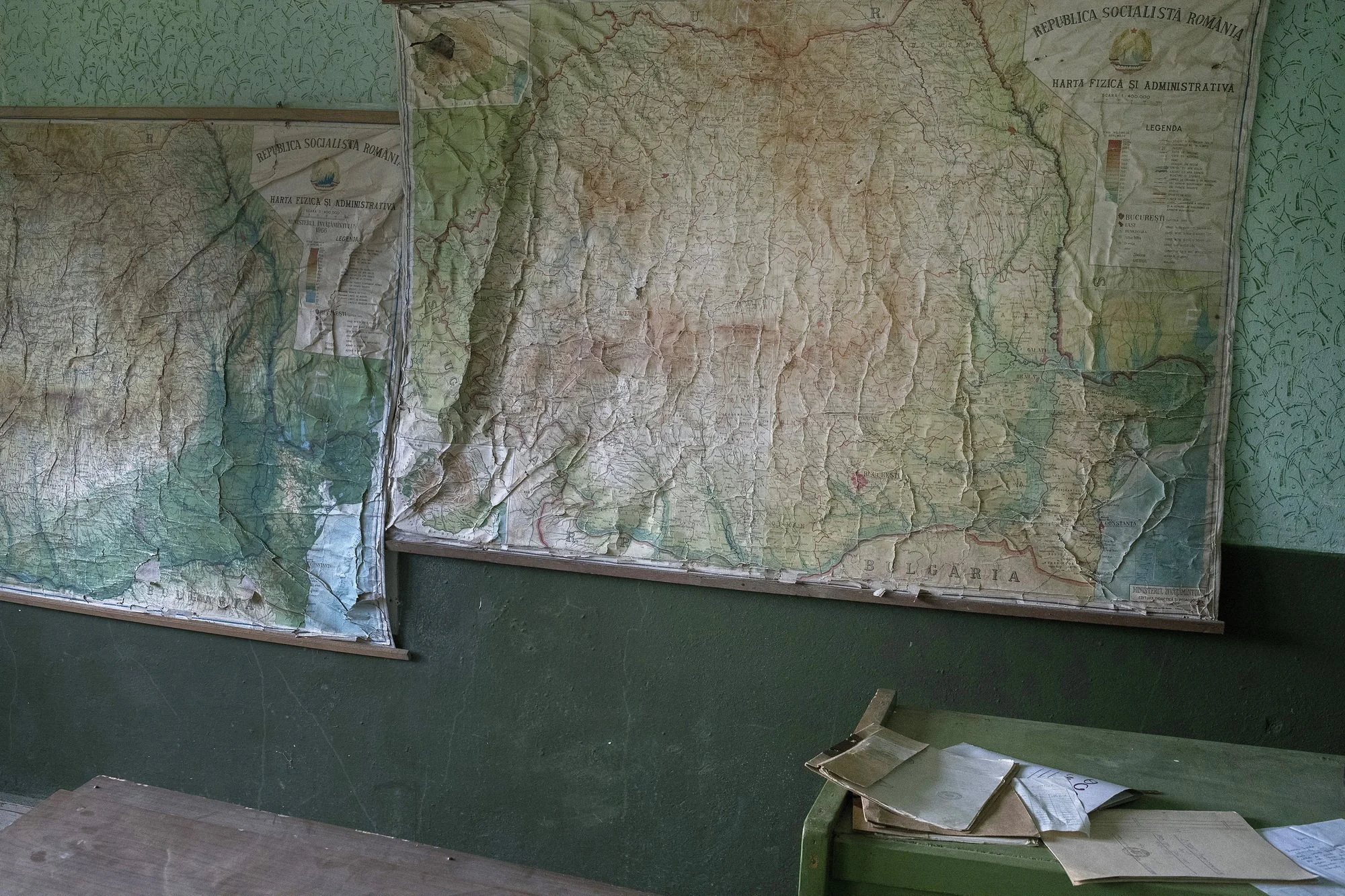
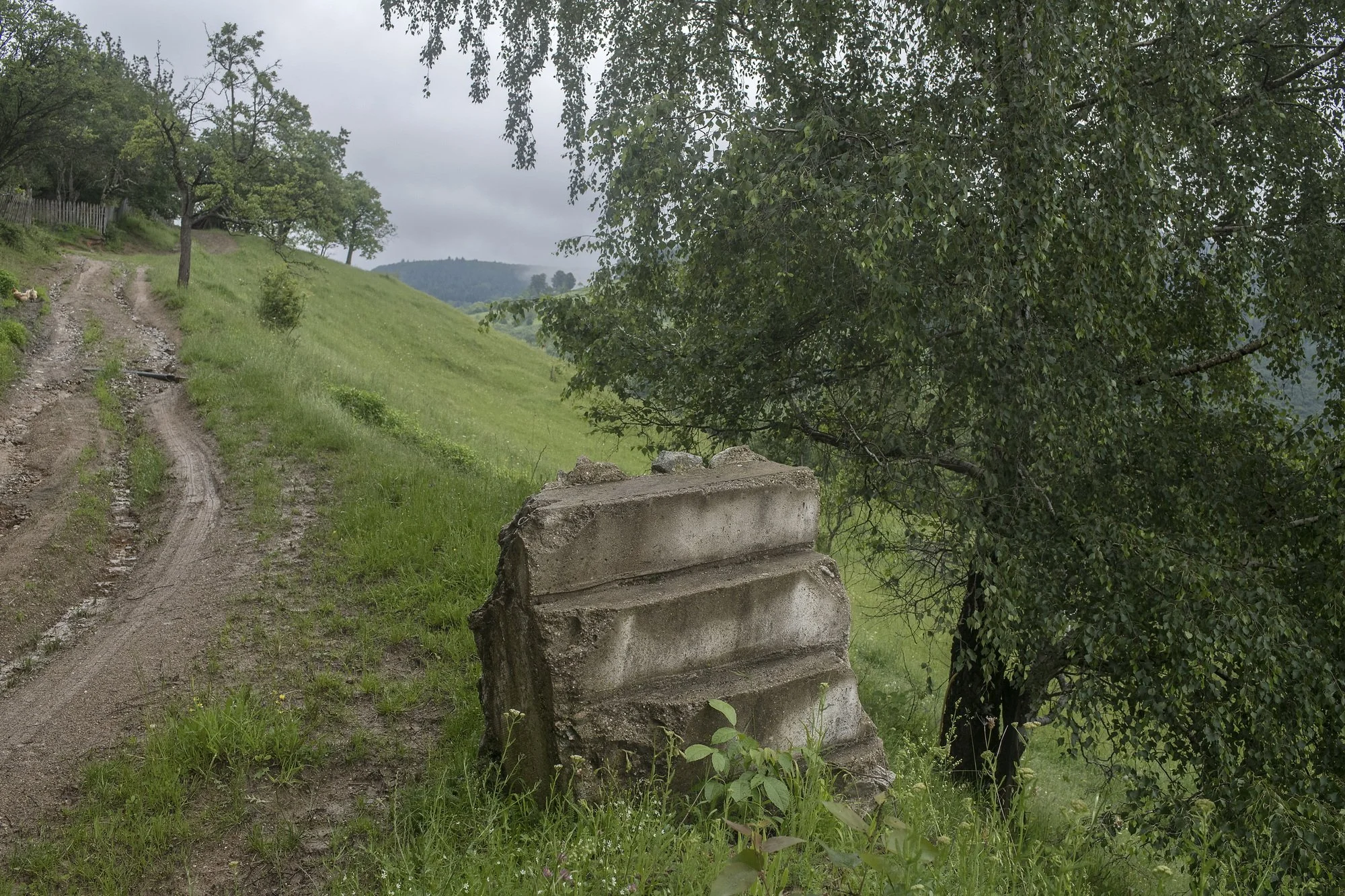
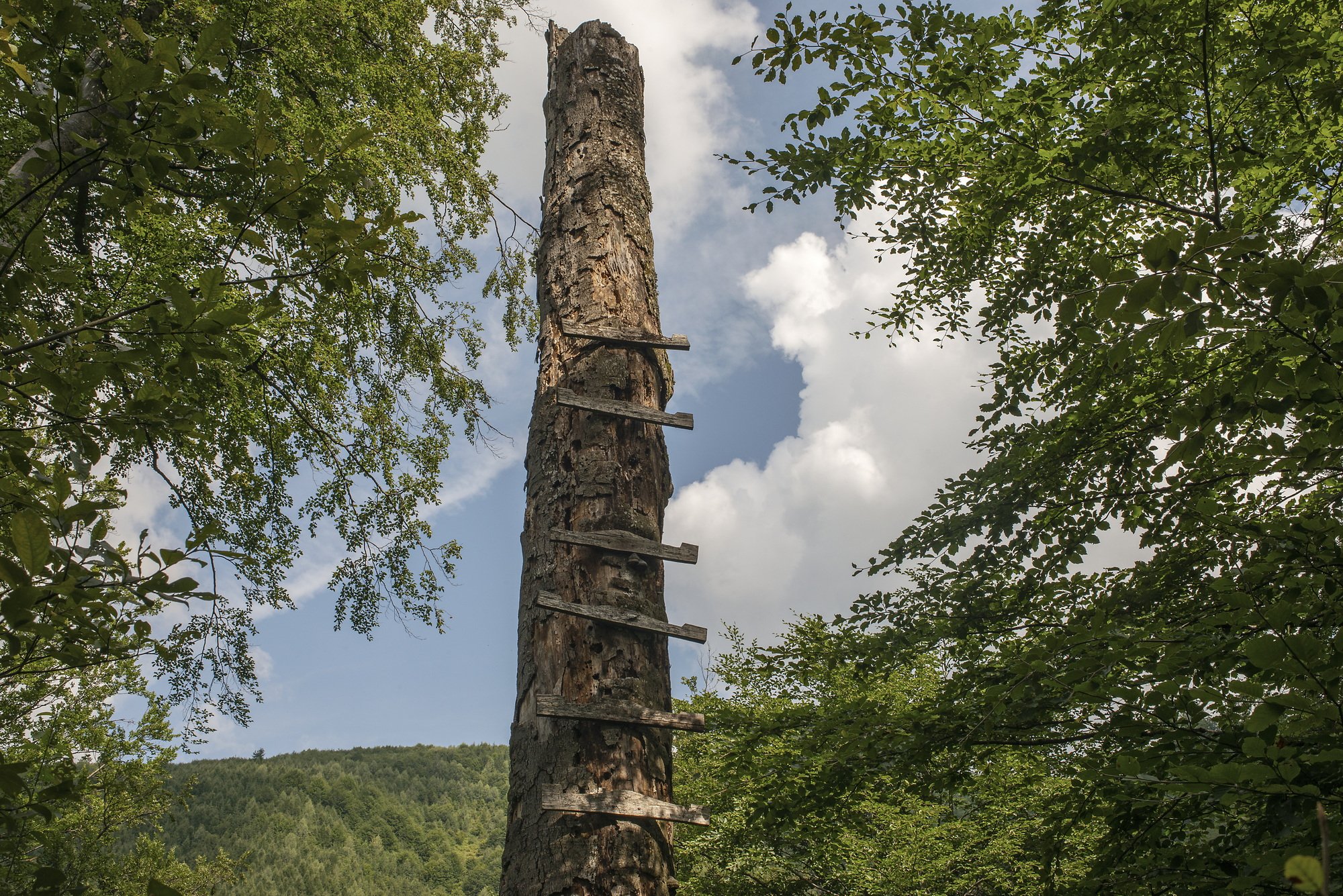
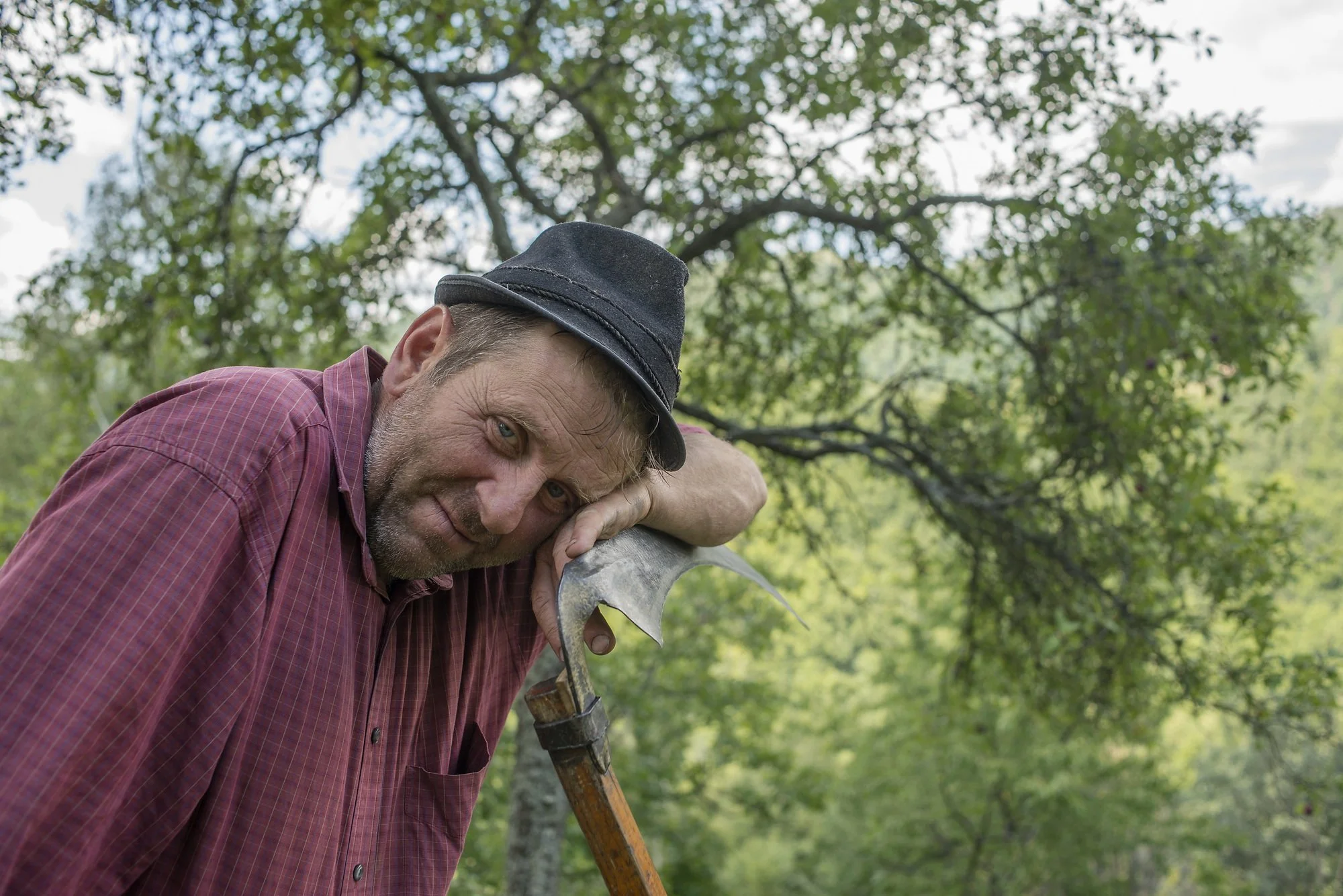
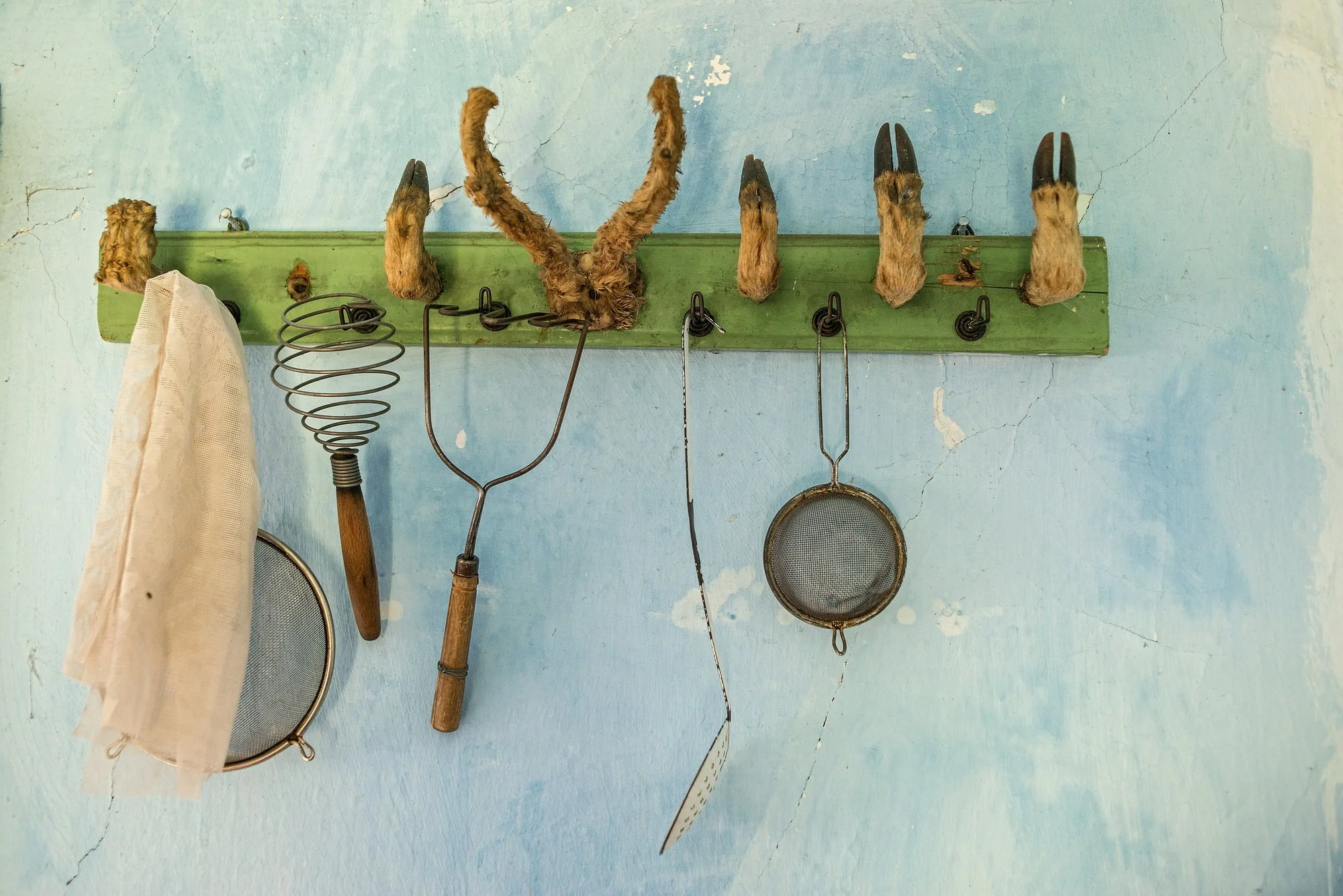
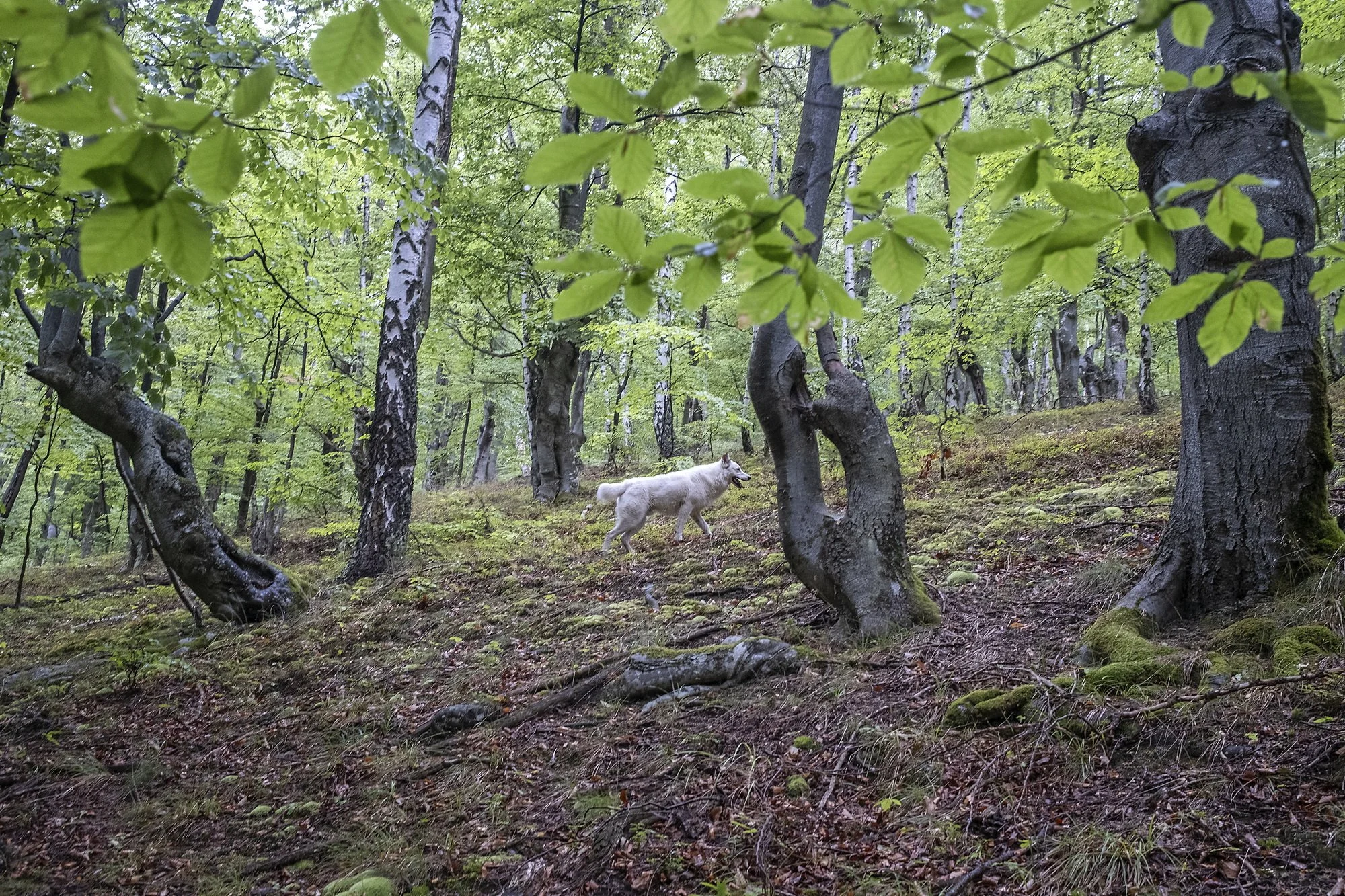
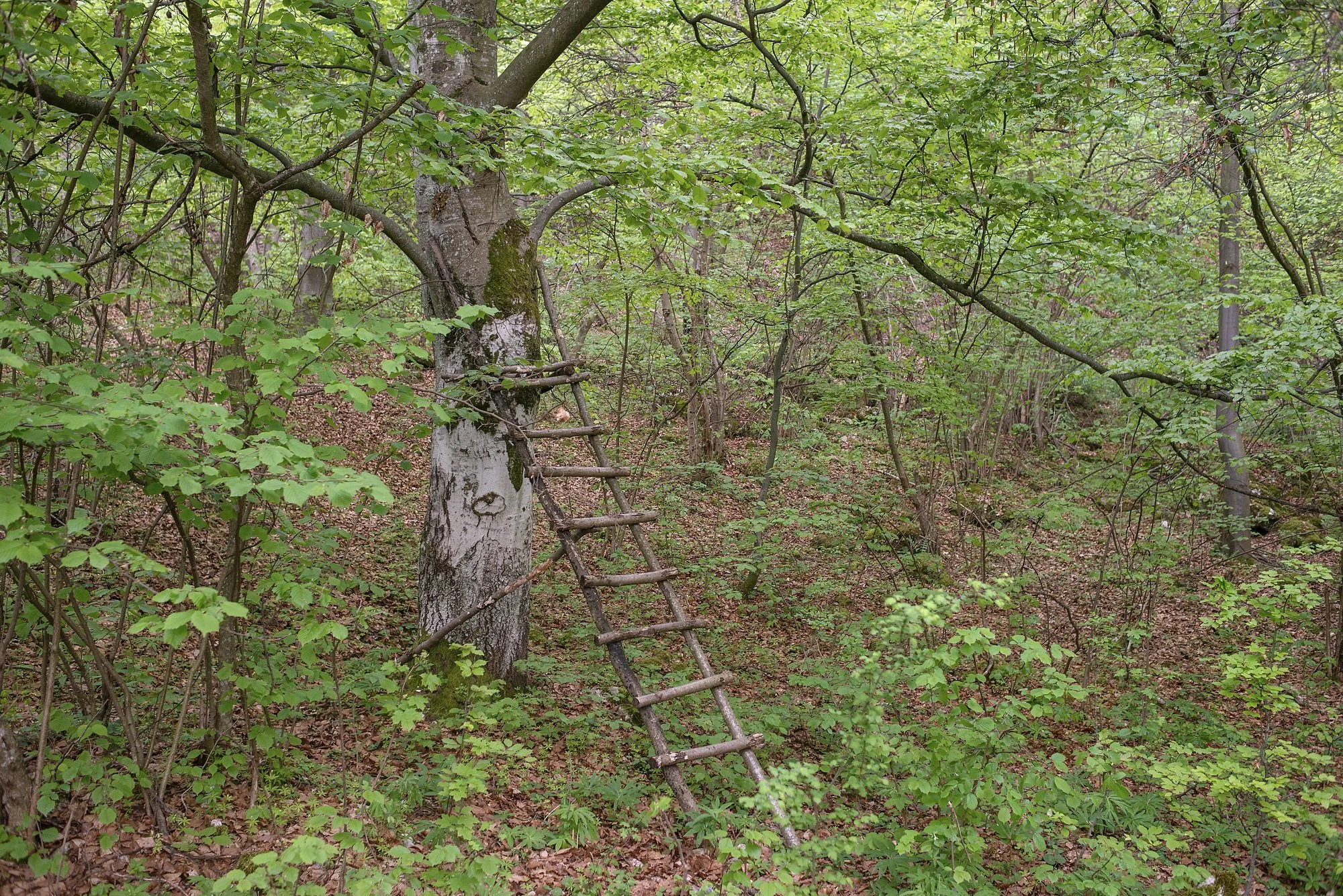
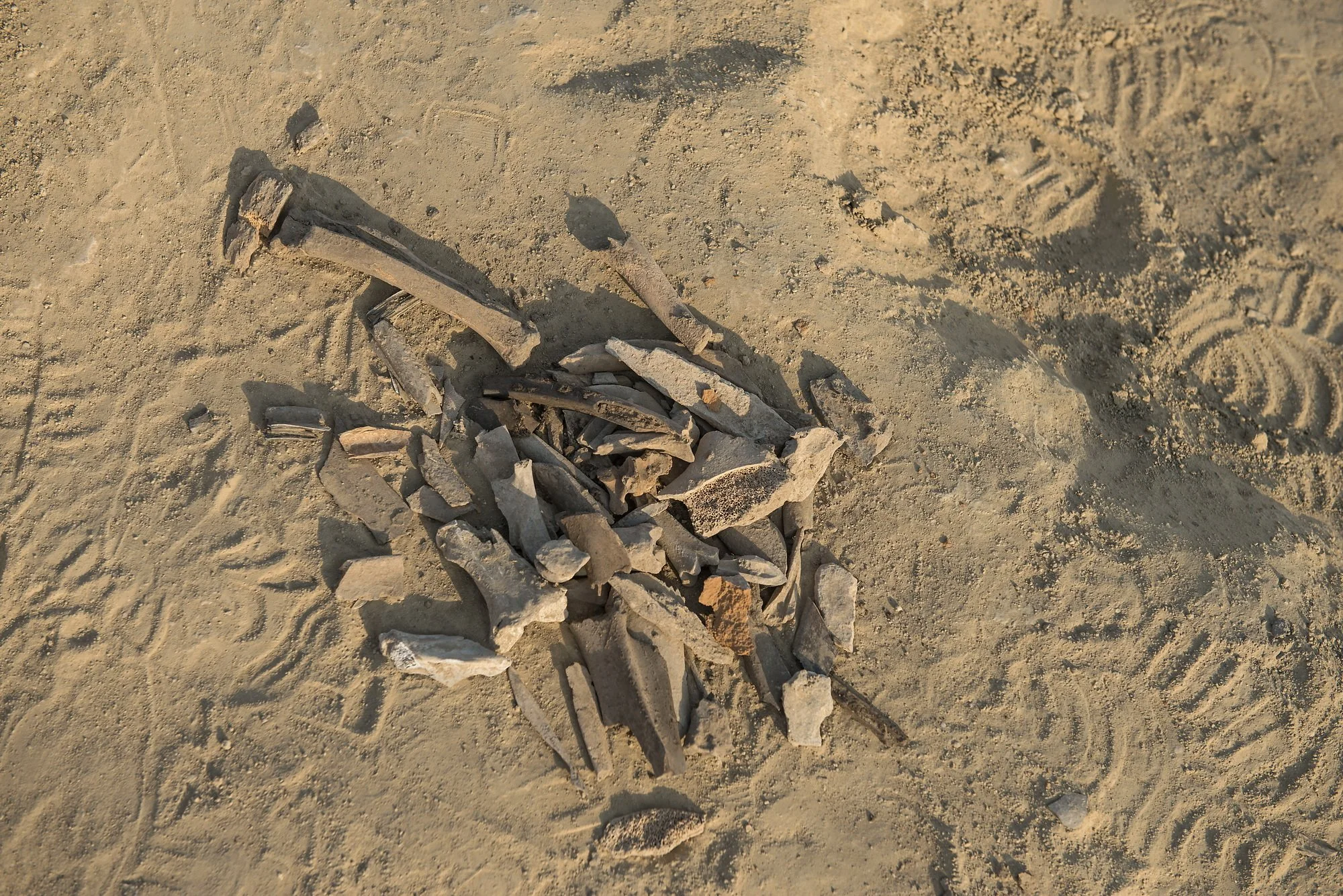
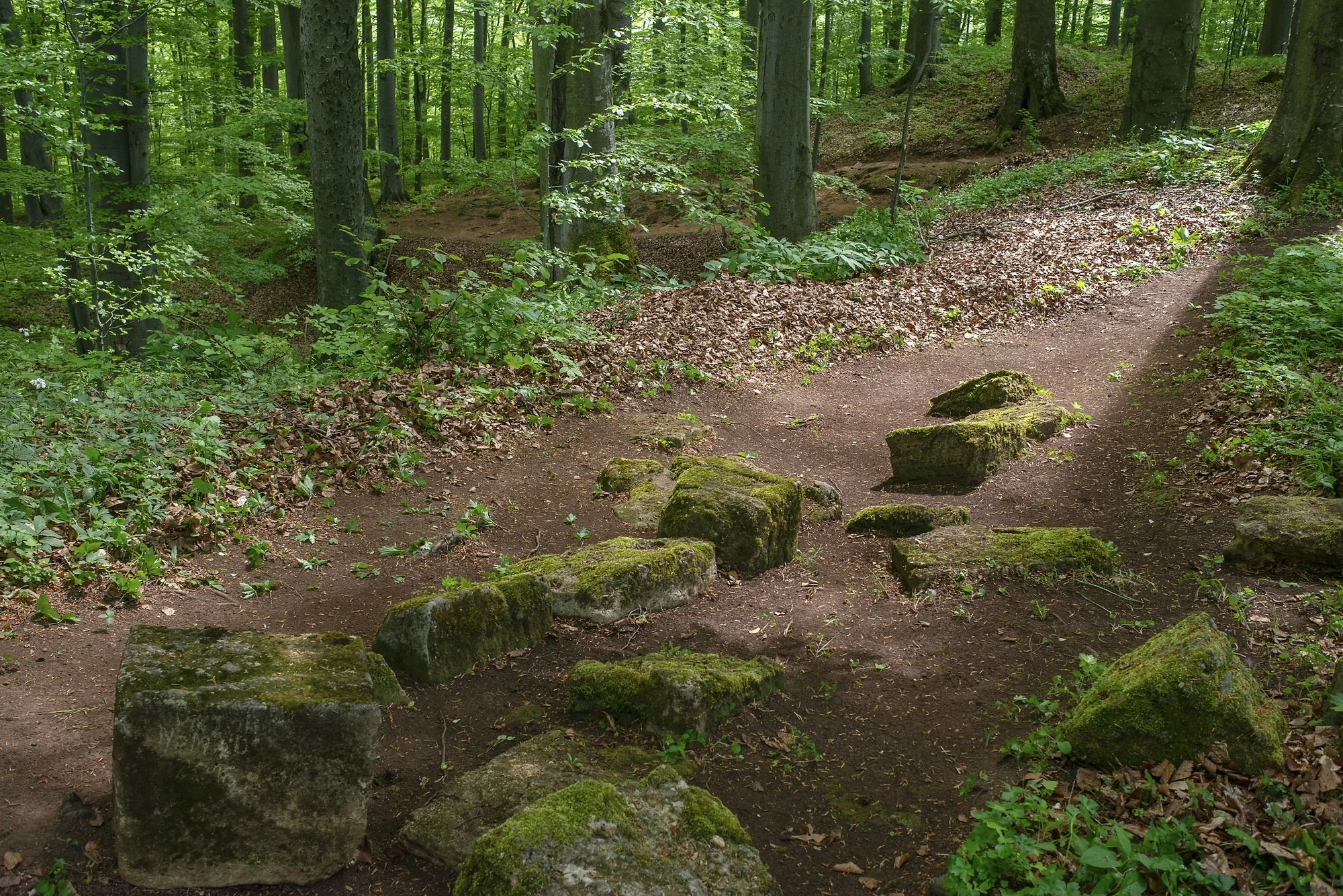
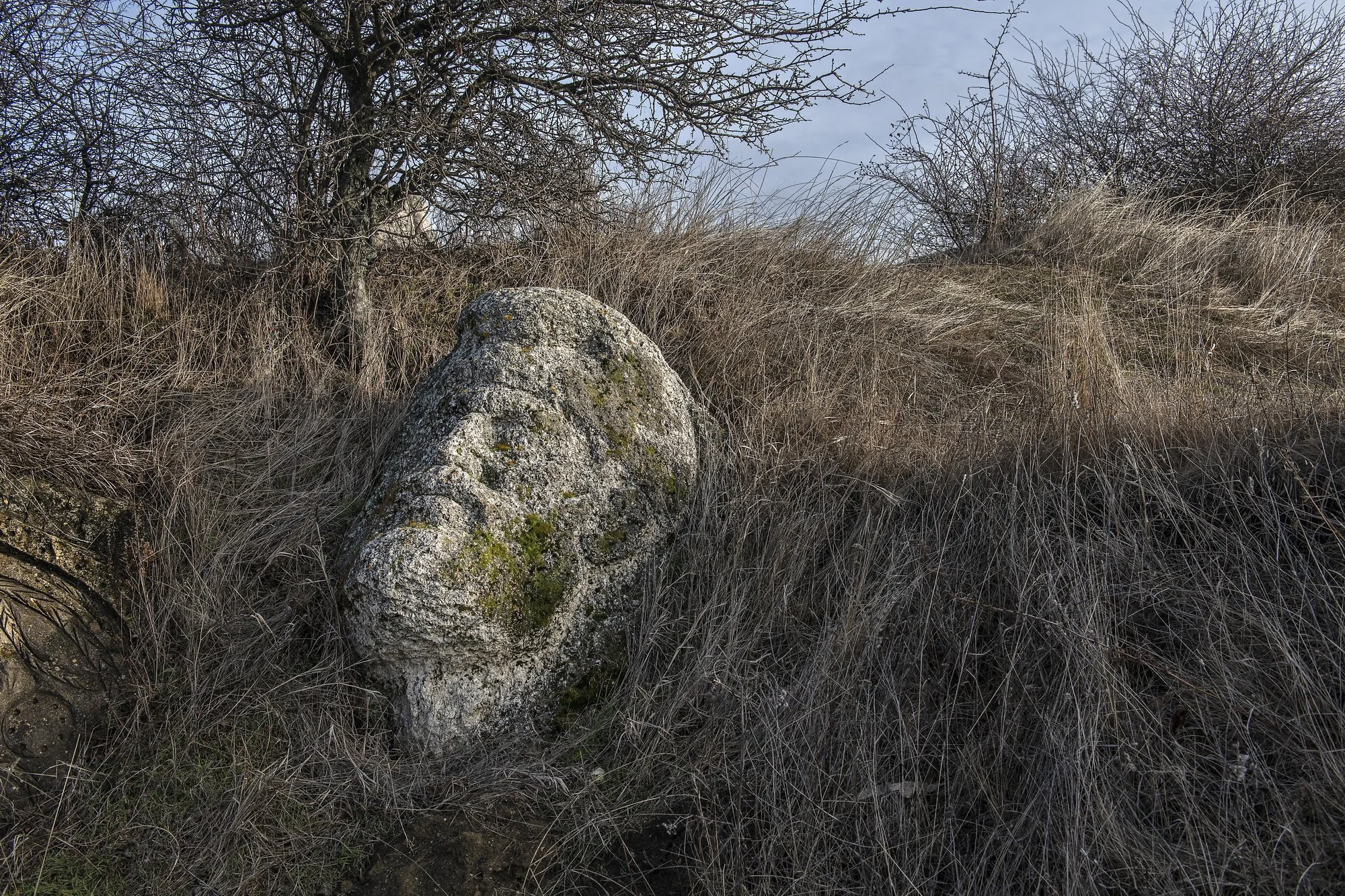
I have collected many of these visual representations and reinterpretations of the Dacian myth, and set out to bring them together — without judgment — as a kind of illustrated encyclopaedia of the Dacians, in colour.
2018 – 2025, Romania